


 [ Libra NëLinjë ]
“Kush pamundëson revolucionin paqësor,
e bën të pashmangshëm revolucionin e dhunshëm.”¹
John F. Kennedy

Isuf B. Bajrami
Duke u bazuar në teorinë e argumentimit, komunikimit politik dhe filozofisë politike (Habermas dhe Arendt), studimi shqyrton mënyrën se si ad hominem, straw man dhe red herring funksionojnë jo vetëm si gabime logjike, por si mekanizma strategjikë të ndërtimit të perceptimit publik. Analiza mbështetet në një rast studimor të një proteste në Tiranë, ku kërkesat e qytetarëve dhe reagimet politike shërbejnë si shembull i zhvendosjes së debatit nga përmbajtja substanciale drejt delegjitimimit personal dhe narrativave simbolike. Punimi argumenton se ky proces përfaqëson një dobësim të racionalitetit komunikativ dhe të funksionit deliberativ të demokracisë.
1. Hyrje: gabimet logjike si instrumente të diskursit politik
Gabimet logjike (logical fallacies) përbëjnë forma të arsyetimit të pavlefshëm që në nivel formal shkelin rregullat e logjikës, por në praktikën diskursive shpesh shërbejnë si mjete bindjeje dhe ndikimi.² Në komunikimin politik bashkëkohor, ato nuk duhet të kuptohen vetëm si defekte epistemike, por si mekanizma funksionalë të ndërtimit të perceptimit publik.
Në shumë raste, komunikimi politik nuk synon verifikimin e së vërtetës, por konkurrencën mbi interpretimin e saj. Kjo bën që argumenti të humbasë funksionin e tij epistemik dhe të shndërrohet në instrument strategjik.
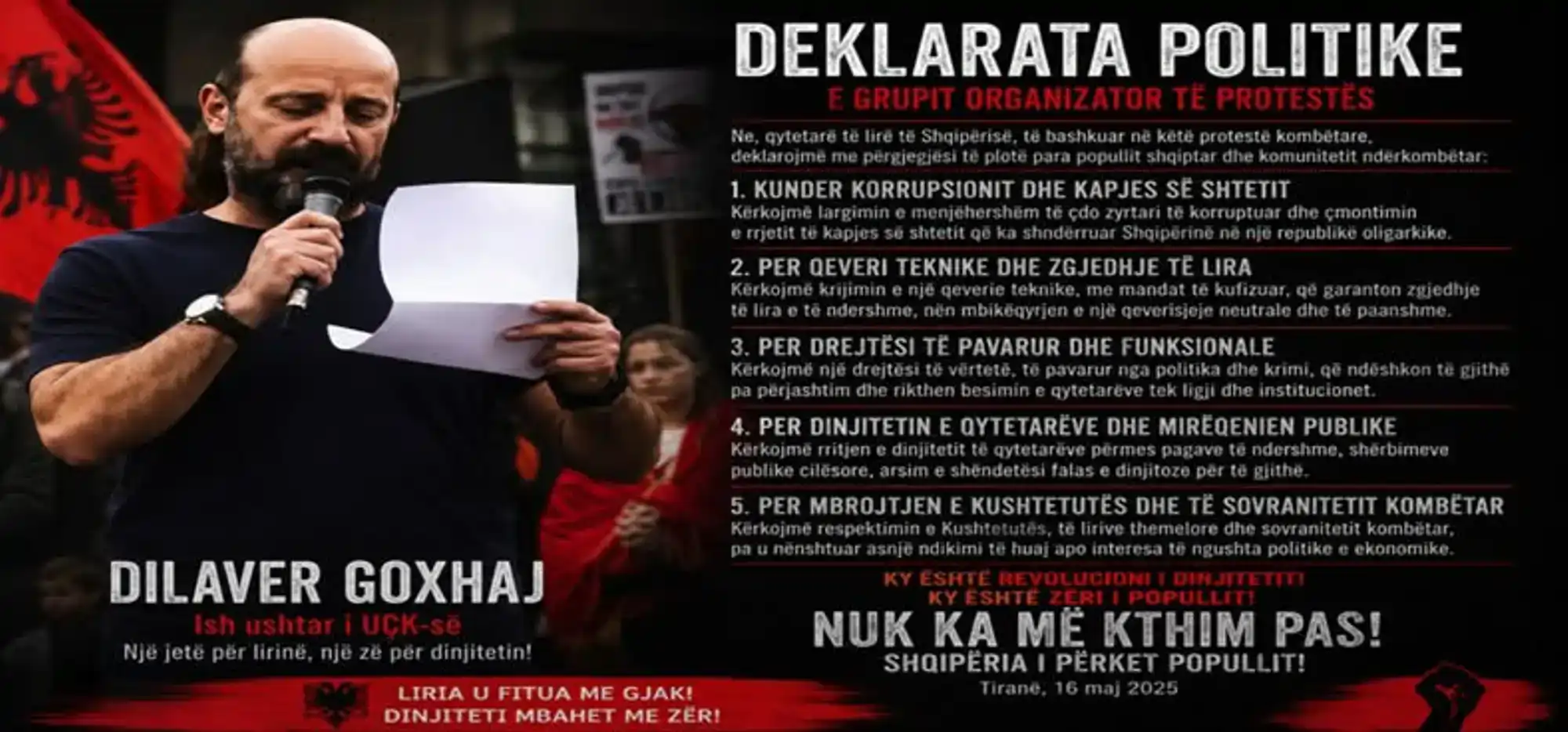
Rasti i protestës në Tiranë, ku Dritan Goxhaj lexoi kërkesat e qytetarëve dhe ku reagimet politike u fokusuan në delegjitimimin e tij dhe të kontekstit të protestës, përbën një shembull empirik të kësaj dinamike.
2. Ad hominem: zhvendosja nga argumenti te personi
Gabimi ad hominem ndodh kur një qëndrim kundërshtohet përmes sulmit ndaj personit që e shpreh atë, në vend të analizës së përmbajtjes së argumentit.³
Në rastin e analizuar, etiketimet publike ndaj Dritan Goxhajt zhvendosin fokusin nga kërkesat e protestës drejt identitetit të ndërmjetësit të tyre. Ky mekanizëm krijon një devijim epistemologjik të rëndësishëm:
nga analiza e përmbajtjes
te vlerësimi i subjektit
Kjo formë e komunikimit dobëson racionalitetin publik, pasi e bën vlefshmërinë e argumentit të varur nga identiteti i folësit, jo nga koherenca e tij.
3. Straw man: deformimi i argumentit kundërshtar
Gabimi straw man konsiston në deformimin e argumentit origjinal në një formë më të dobët, e cila më pas rrëzohet lehtësisht.⁴
Në diskursin politik, kërkesat e qytetarëve shpesh reduktohen në interpretime të përgjithësuara ose të shtrembëruara, duke shmangur përballjen me substancën e tyre reale. Kjo krijon një simulim të debatit, ku kundërshtohet jo argumenti real, por një version i tij i deformuar.
4. Red herring: zhvendosja e fokusit të debatit
Gabimi red herring përfaqëson zhvendosjen e vëmendjes nga çështja qendrore drejt elementeve anësore që nuk lidhen drejtpërdrejt me argumentin.⁵
Në rastin e protestës, vëmendja publike zhvendoset nga:
përmbajtja e kërkesave qytetare
drejt
identitetit dhe motiveve të aktorëve ndërmjetësues
Ky proces transformon debatet mbi politika publike në konflikte simbolike dhe narrative.
5. Hapësira publike dhe racionaliteti komunikativ
Sipas Jürgen Habermas, hapësira publike funksionon mbi bazën e racionalitetit komunikativ, ku vlefshmëria e argumentit përcaktohet nga forca e tij dhe jo nga pozita e folësit.⁶
Kur komunikimi politik dominohet nga strategji perceptive, ndodh një zhvendosje drejt racionalitetit instrumental, ku qëllimi nuk është e vërteta, por ndikimi mbi opinionin publik.
Në këtë kuadër, gabimet logjike nuk janë thjesht devijime, por tregues të strukturës së deformuar të debatit publik.
6. Rasti studimor: protesta në Tiranë si ilustrim i komunikimit të deformuar
Ngjarja ku Dritan Goxhaj lexoi kërkesat e protestuesve dhe reagimet e mëvonshme politike nga Edi Rama dhe Taulant Balla përbën një rast empirik ku manifestohen qartë mekanizmat e deformimit të diskursit publik.
Në vend që debati të përqendrohej në përmbajtjen e kërkesave të qytetarëve – të cilat burojnë nga shqetësime reale sociale dhe politike – reagimi institucional u orientua kryesisht drejt zhvendosjes së fokusit nga substanca e kërkesave te delegjitimimi i subjektit ndërmjetësues të tyre.
Kjo qasje përbën një formë të qartë të dobësimit të funksionit deliberativ të komunikimit politik, pasi e shmang përballjen me përmbajtjen reale të kërkesave qytetare dhe e zëvendëson atë me interpretime të natyrës politike dhe simbolike.
Në këtë rast vërehen tre transformime kryesore:
nga përmbajtja e kërkesave qytetare → te personalizimi i ndërmjetësit
nga debati mbi politika publike → te diskursi i delegjitimimit politik
nga analiza institucionale → te narrativa politike dhe perceptive
Ky zhvendosje tregon një prirje problematike në komunikimin politik, ku përgjegjësia për adresimin e kërkesave qytetare zëvendësohet nga menaxhimi i perceptimit publik mbi ato kërkesa.
7. Hannah Arendt: kriza e së vërtetës
Hannah Arendt argumenton se politika hyn në krizë kur shkëputet nga e vërteta faktike dhe kur gjuha politike pushon së referuari realitetin.⁷
Në këtë gjendje, diskursi politik nuk shërben më për të kuptuar botën, por për ta rindërtuar atë përmes narrativave konkurruese. Etiketimi i aktorëve politikë dhe zhvendosja e debatit nga argumenti te personi kontribuojnë në këtë proces.
8. Pasojat strukturore për demokracinë
Kur gabimet logjike bëhen pjesë e qëndrueshme e diskursit politik, ato prodhojnë pasoja strukturore:
dobësim të funksionit deliberativ të hapësirës publike
rritje të polarizimit politik
zhvendosje nga politika substanciale në politikë simbolike
fragmentim të realitetit politik
ulje të besimit në komunikimin institucional
Në këtë mënyrë, kriza e komunikimit politik shndërrohet në krizë të vetë demokracisë.
9. Përfundim
Demokracia nuk është vetëm sistem institucional, por një formë komunikimi shoqëror e bazuar në argument, transparencë dhe racionalitet publik.
Rikthimi i arsyes publike kërkon:
respektim të përmbajtjes së kërkesave qytetare
ndarje të qartë midis faktit dhe interpretimit politik
reduktim të delegjitimimit personal
forcim të debatit substancial mbi politika publike
Në këtë kuptim, analiza e gabimeve logjike nuk është vetëm ushtrim teorik, por një instrument kritik për të kuptuar mënyrën se si strukturohet pushteti diskursiv në shoqëri dhe si ndikon ai në cilësinë e demokracisë.
Fusnota:
1. John F. Kennedy, fjalim publik (citim i atribuar gjerësisht në diskursin politik dhe analizën e konflikteve shoqërore).
Ky citim përdoret shpesh në literaturën politike dhe teoritë e konfliktit për të ilustruar idenë se mbyllja e kanaleve të shprehjes paqësore të pakënaqësisë sociale mund të rrisë probabilitetin e radikalizimit politik. Megjithëse citimi nuk lidhet me një referencë të vetme akademike të verifikueshme në formë tekstuale, ai ka marrë status aforistik në analizën politike bashkëkohore.
2. Irving M. Copi & Carl Cohen, Introduction to Logic, Pearson.
Ky tekst konsiderohet një nga hyrjet standarde në logjikën formale dhe joformale në traditën anglo-saksone. Autorët trajtojnë gabimet logjike si shkelje të strukturës së arsyetimit të vlefshëm, duke i ndarë në kategori formale dhe informale. Veçanërisht theksohet se gabimet logjike shpesh duken bindëse për shkak të strukturës së tyre retorike, edhe kur janë të pavlefshme në nivel deduktiv.
3. Douglas Walton, Ad Hominem Arguments, University of Alabama Press.
Walton ofron analizën më të detajuar bashkëkohore mbi argumentet ad hominem, duke treguar se ato nuk janë gjithmonë logjikisht të pavlefshme në çdo kontekst, por bëhen fallacione kur zëvendësojnë arsyetimin mbi përmbajtjen e argumentit me sulme ndaj karakterit të folësit. Ai dallon midis përdorimeve legjitime (p.sh. kur kredibiliteti është i rëndësishëm) dhe përdorimeve të pasakta në debatet politike.
4. T. Edward Damer, Attacking Faulty Reasoning, Wadsworth.
Damer zhvillon një qasje praktike ndaj analizës së gabimeve logjike, duke i trajtuar ato si mjete për identifikimin e arsyetimit të dobët në diskursin publik. Ai thekson se straw man është veçanërisht i rrezikshëm në debatet politike, sepse krijon iluzionin e kundërshtimit racional ndërkohë që shmang përballjen me argumentin real.
5. Douglas Walton, Informal Fallacies, Cambridge University Press.
Në këtë vepër, Walton analizon gabimet joformale si fenomene të varura nga konteksti dialogjik. Red herring interpretohet si zhvendosje strategjike e fokusit të diskutimit, e cila nuk refuzon drejtpërdrejt argumentin, por e shmang atë duke futur çështje të reja të parëndësishme për çështjen kryesore.
6. Jürgen Habermas, The Structural Transformation of the Public Sphere, MIT Press.
Habermas analizon formimin historik të hapësirës publike borgjeze dhe transformimin e saj në modernitet. Koncepti i “racionalitetit komunikativ” nënkupton një model ideal të komunikimit ku vlefshmëria e argumentit bazohet në arsyetim të hapur dhe jo në pushtet, status apo manipulim. Kur ky model deformohet nga interesa strategjike, hapësira publike humbet funksionin e saj deliberativ.
7. Hannah Arendt, Truth and Politics (ese), në Between Past and Future.
Arendt trajton tensionin midis politikës dhe së vërtetës, duke argumentuar se politika shpesh operon me narrativa dhe jo me të vërteta faktike. Ajo paralajmëron se kur faktet zëvendësohen nga interpretimet politike, krijohet një “krizë e së vërtetës”, e cila minon aftësinë e shoqërisë për të marrë vendime të informuara dhe racionale.
Tiranë, 24.06.2026
The Distortion of Public Reason in Political Discourse: Logical Fallacies and the Shift from Argument to Personalization of Debate
“Those who make peaceful revolution impossible will make violent revolution inevitable.”¹
John F. Kennedy
Isuf B. Bajrami
Based on theories of argumentation, political communication, and political philosophy (Habermas and Arendt), this study examines how ad hominem, straw man, and red herring function not only as logical fallacies but also as strategic mechanisms for constructing public perception. The analysis is grounded in a case study of a protest in Tirana, where citizens’ demands and political reactions serve as an example of the shift in public debate from substantive content toward personal delegitimization and symbolic narratives. The paper argues that this process represents a weakening of communicative rationality and the deliberative function of democracy.
1. Introduction: Logical Fallacies as Instruments of Political Discourse
Logical fallacies are forms of invalid reasoning that formally violate the rules of logic, yet in discursive practice often serve as tools of persuasion and influence.² In contemporary political communication, they should not be understood solely as epistemic defects, but as functional mechanisms for shaping public perception.
In many cases, political communication does not aim at verifying truth, but at competing over its interpretation. This leads to the loss of the epistemic function of argumentation, which becomes a strategic instrument.
The case of the protest in Tirana, where Dritan Goxhaj read citizens’ demands and political reactions focused on delegitimizing him and the broader context of the protest, represents an empirical illustration of this dynamic.
2. Ad hominem: The Shift from Argument to Person
The ad hominem fallacy occurs when a claim is rejected by attacking the person who presents it rather than addressing the content of the argument.³
In the case under analysis, public labeling of Dritan Goxhaj shifts attention from the protest demands to the identity of their intermediary.
This creates a significant epistemological deviation:
from content analysis
to subject evaluation
This form of communication weakens public rationality, as it makes the validity of an argument dependent on the identity of the speaker rather than its coherence or factual basis.
3. Straw Man: Distortion of the Opponent’s Argument
The straw man fallacy consists of distorting the original argument into a weaker version, which is then easily refuted.⁴
In political discourse, citizens’ demands are often reduced to generalized or distorted interpretations, thereby avoiding engagement with their actual substance.
This creates a simulation of debate, where what is refuted is not the real argument but its misrepresented version.
4. Red Herring: Shifting the Focus of Debate
The red herring fallacy refers to the diversion of attention from the central issue toward unrelated secondary elements.⁵
In the case of the protest, public attention is shifted from:
the content of citizens’ demands
toward
the identity and motives of intermediary actors
This process transforms debates on public policy into symbolic and narrative conflicts.
5. Public Sphere and Communicative Rationality
According to Jürgen Habermas, the public sphere operates on the basis of communicative rationality, where the validity of arguments is determined by their strength rather than the position of the speaker.⁶
When political communication is dominated by perceptual strategies, a shift occurs toward instrumental rationality, where the goal is not truth but influence over public opinion.
In this context, logical fallacies are not merely deviations, but indicators of a distorted structure of public debate.
6. Case Study: The Tirana Protest as an Illustration of Distorted Communication
The event in which Dritan Goxhaj read the protesters’ demands, followed by political reactions from Edi Rama and Taulant Balla, constitutes an empirical case in which the mechanisms of distorted public discourse become evident.
Three main transformations can be observed:
from citizens’ demands → to personalization of the intermediary
from policy-based debate → to political delegitimization discourse
from institutional analysis → to political and perceptual narratives
This shift indicates a problematic tendency in political communication, where responsibility for addressing citizens’ demands is replaced by the management of public perception regarding those demands.
7. Hannah Arendt: The Crisis of Truth
Hannah Arendt argues that politics enters crisis when it becomes detached from factual truth and when political language ceases to refer to reality.⁷
In such conditions, political discourse no longer serves to understand the world but to reconstruct it through competing narratives.
Labeling political actors and shifting debate from argument to person contributes to this process.
8. Structural Consequences for Democracy
When logical fallacies become a stable component of political discourse, they produce structural consequences:
weakening of the deliberative function of the public sphere
increased political polarization
shift from substantive politics to symbolic politics
fragmentation of political reality
declining trust in institutional communication
In this way, the crisis of political communication becomes a crisis of democracy itself.
9. Conclusion
Democracy is not only an institutional system but also a form of social communication based on argument, transparency, and public rationality.
The restoration of public reason requires:
respect for the substance of citizens’ demands
clear separation between fact and political interpretation
reduction of personal delegitimization strategies
strengthening of substantive policy debate
In this sense, the analysis of logical fallacies is not merely a theoretical exercise but a critical tool for understanding how discursive power is structured in society and how it affects the quality of democracy.
Footnotes:
1. John F. Kennedy, public speech (widely attributed quotation in political discourse and conflict theory literature).
This quotation is frequently used in political theory and democratic studies to illustrate the argument that the restriction or closure of peaceful channels for expressing political dissent can increase the likelihood of radicalization. Although it is not traceable to a single verifiable textual source, it has acquired an aphoristic and interpretative status in contemporary political analysis and public discourse studies.
2. Irving M. Copi & Carl Cohen, Introduction to Logic, Pearson.
This work is considered a foundational textbook in both formal and informal logic within the Anglo-American philosophical tradition. The authors define logical fallacies as violations of valid reasoning structures and emphasize the distinction between formal and informal fallacies. A key contribution of the work is the observation that fallacious arguments often appear persuasive due to rhetorical structure, even when they are logically invalid.
3. Douglas Walton, Ad Hominem Arguments, University of Alabama Press.
Walton provides the most comprehensive contemporary treatment of ad hominem reasoning, arguing that such arguments are not universally fallacious in all contexts. They become fallacious when they replace engagement with the content of an argument with attacks on the character, motives, or identity of the speaker. Walton also distinguishes between legitimate uses of personal critique (e.g., credibility assessment) and illegitimate uses in political discourse.
4. T. Edward Damer, Attacking Faulty Reasoning, Wadsworth.
Damer develops a practical and systematic framework for identifying faulty reasoning in everyday and public discourse. He emphasizes that the straw man fallacy is particularly significant in political communication because it creates the illusion of refutation while actually replacing the original argument with a distorted or simplified version, thereby avoiding substantive engagement.
5. Douglas Walton, Informal Fallacies, Cambridge University Press.
In this work, Walton conceptualizes informal fallacies as context-sensitive phenomena embedded within dialogical exchanges. The red herring fallacy is defined as a strategic diversion from the central issue of a discussion toward unrelated or secondary topics, thereby disrupting the logical progression of argumentation without directly refuting the original claim.
6. Jürgen Habermas, The Structural Transformation of the Public Sphere, MIT Press.
Habermas analyzes the historical emergence and transformation of the bourgeois public sphere and introduces the concept of communicative rationality. This model presupposes that the validity of arguments is established through reasoned discourse rather than authority, power, or manipulation. When communicative processes are dominated by strategic or instrumental rationality, the deliberative function of the public sphere is systematically weakened.
7. Hannah Arendt, Truth and Politics, in Between Past and Future.
Arendt examines the inherent tension between political action and factual truth, arguing that political discourse often relies on narrative construction rather than empirical reality. When factual truths are replaced by competing interpretations, political communication enters a crisis of truth, undermining the capacity of societies to make rational and informed collective decisions.
Tirana, 24.06.2026