


 [ Libra NëLinjë ]
Isuf B. Bajrami
Ne Kosovë po ndodh ajo që s’duhet të ndodhte kurrë: paaftësia për të zgjedhur Presidentin e Republikës, një fenomen që nxjerr në pah dobësitë e funksionimit institucional dhe përgjegjësisë politike.
1. Paaftësia politike dhe bojkotimi i deputetëve
• Opozita, e përbuzur nga populli i Kosovës, kërkon hakmarrje primitive duke mos nxjerrë një figurë alternative dhe me mosprezencë në sallën e Kuvendit, duke treguar papërgjegjshmëri totale politike e kombëtare. Ky veprim cenon funksionimin ligjor të institucionit, pasi Neni 83 i Kushtetutës së Kosovës përcakton se zgjedhja e Presidentit kërkon dy raunde me shumicë të dy të tretave dhe një raund të tretë me shumicë të thjeshtë[1]. Vendimet e Gjykatës Kushtetuese të Kosovës (GJK nr. 03/11, 2011; KI 63/20, 2020) konfirmojnë se bojkotet nuk mund të pengojnë vazhdimin e procedurës[2].
• Mazhoranca, e paaftë për të tejkaluar qejfmbetjet dhe për të koordinuar procedurat, e la çështjen për minutat e fundit, duke dëshmuar mungesë përgatitjeje dhe papërshtatshmëri për të finalizuar fitoren e saj spektakolare në zgjedhjet e fundit.
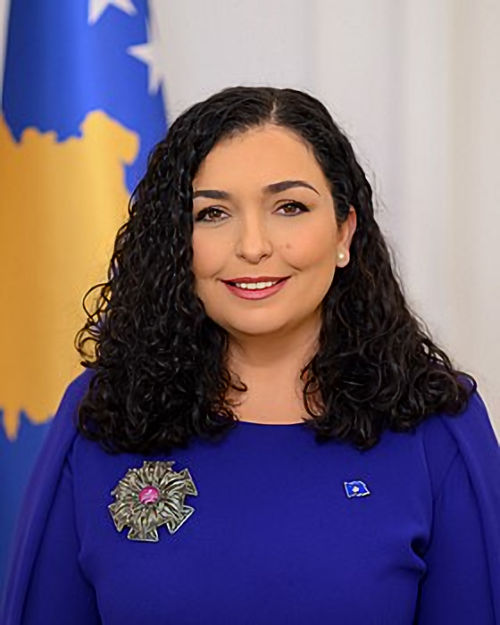
• Vjosa Osmani, e “dehur” nga arritjet në mandatin e saj të parë, nuk arriti të ndërtojë ura bashkëpunimi as me mazhorancën dhe as me opozitën. Edhe kur u përball me mungesë mbështetjeje, ajo insistoi të kandidonte për një mandat të dytë, padyshim të merituar, por pa llogaritur labirinthet dhe amoralitetin e politikës.
• Në këto kushte, në mënyrë krejt amatoreske, vetëm disa orë para votimit, kur kupton se nuk do të zgjidhet në krye të shtetit, ajo kërkon ndryshime kushtetuese ku të sanksionohet zgjedhja e Presidentit nga populli — ide pozitive, por e lansuar në kohën më të papërshtatshme të mundshme. Rezultati, sigurisht, ishte i ditur: refuzim i menjëhershëm i favorizuar edhe nga momenti i kësaj kërkese.
2. Problemet strukturore: Pakoja e Ahtisarit dhe roli i pakicës
Implementimi i Pakos së Ahtisarit është i vjetëruar, sidomos për rolin bllokues të 2% të pakicës serbe, e cila i jep ndikim Beogradit mbi proceset shtetformuese. Vendimet e Gjykatës Kushtetuese dhe rekomandimet e Komisionit të Venecias sugjerojnë rregullimin e rolit të pakicës për të shmangur pengimet artificiale, duke ruajtur të drejtat e pakicave, por pa lejuar shfrytëzimin e tyre për bllokime politike[3].
3. Pasojat e krizës dhe zgjedhjeve të parakohshme
• Pashmangshmërisht, Kosova do të shkojë në zgjedhje të parakohshme, duke shkaktuar lodhje elektorale, destabilizim politik dhe dëme ekonomike të konsiderueshme.
• Rezultatet e ardhshme nuk pritet të ndryshojnë rrënjësisht arkitekturën politike, duke e futur vendin në një cikël të vështirë zgjedhor, ku shmangia e bllokimeve do të kërkojë mekanizma ligjorë të fortë dhe vullnet politik.
4. Ide alternative juridiko-politike
Kriza aktuale institucionale tregon se bojkotimi i deputetëve dhe mungesa e koordinimit politik mund të çojnë në bllokim të zgjedhjes së Presidentit, duke rrezikuar funksionimin normal të shtetit. Bazuar në Kushtetutën e Republikës së Kosovës, Rregulloren e Punës së Kuvendit dhe vendimet e Gjykatës Kushtetuese, mund të propozohen mekanizma konkretë juridiko-politikë:
4.1 Përdorimi i shumicës së thjeshtë në raundin e tretë
Sipas Nenit 83 të Kushtetutës së Kosovës, zgjedhja e Presidentit kërkon shumicë të dy të tretave në dy raunde të para dhe shumicë të thjeshtë në raundin e tretë[1]. Vendimet e Gjykatës Kushtetuese (GJK nr. 03/11, 2011; KI 63/20, 2020) konfirmojnë se mungesa e pjesëmarrjes së plotë të deputetëve për shkak të bojkotit nuk mund të pengojë procedurën[2].
Propozim konkret: Kuvendi duhet të procedojë me votimin në raundin e tretë edhe në rastet kur opozita bojkoton, duke përdorur shumicën e thjeshtë të deputetëve të pranishëm.
4.2 Mekanizmat ndërkombëtarë për lehtësim dhe monitorim
Komisioni i Venecias dhe praktika ndërkombëtare sugjerojnë përdorimin e misioneve ndërkombëtare për ndërmjetësim në rast bllokimi institucional[3].
Propozim konkret: Angazhimi i një misioni ndërkombëtar të monitorimit për të garantuar pjesëmarrjen e opozitës, të harmonizuar me Kushtetutën dhe sovranitetin e vendit, duke ndihmuar në respektimin e procedurave dhe parandalimin e bllokimeve.
4.3 Rregullimi i rolit të pakicës dhe eliminimi i bllokimit të qëllimshëm
Pakica serbe ka mundësinë e bllokimit në kuadër të Pakos së Ahtisarit. Vendimet e GJK-së dhe rekomandimet ndërkombëtare sugjerojnë kufizimin e këtij ndikimi bllokues.
Propozim konkret: Amendimi i ligjit dhe rregullorës së Kuvendit për të sanksionuar që votat e pakicës të respektohen pa mundësi bllokimi të qëllimshëm. Kjo mund të përfshihet në Nenin 40-50 të Rregullores së Punës së Kuvendit, që rregullon procedurat e seancave dhe të votimit[4].
4.4 Afate dhe procedura të qarta për votimin e Presidentit
Rregullorja e Kuvendit përcakton afate ligjore për nominimin e kandidatëve, mbajtjen e seancave dhe raportimin e rezultateve.
Propozim konkret:
• Publikimi i afateve për nominim të paktën 30 ditë përpara seancës;
• Caktimi i datave të detajuara për raundet e votimit;
• Raportim i detajuar i rezultateve në kohë reale për të shmangur manipulimet dhe presionin politik.
4.5 Zgjedhja e drejtpërdrejtë e Presidentit si alternativë afatgjatë
Ekspertët ndërkombëtarë rekomandojnë zgjedhjen e drejtpërdrejtë të Presidentit nga qytetarët për të shmangur ndikimin e bllokimeve parlamentare[5].
Propozim konkret: Procedura të institucionalizohet përmes amendimeve kushtetuese, duke respektuar parimet e demokracisë përfaqësuese dhe standardet ndërkombëtare të zgjedhjeve.
5. Përfitimet juridiko-politike
• Siguron funksionim të pandërprerë të Kuvendit dhe institucioneve;
• Parandalon bllokimet artificiale dhe manipulimet politike;
• Rrit legjitimitetin institucional dhe besimin e qytetarëve;
• Përputhet me Kushtetutën, rregulloren e Kuvendit dhe standardet ndërkombëtare;
• Mban të balancuar të drejtat e pakicave dhe shumicën demokratike.
6. Përfundim
Megjithëse Kosova ka pasur mundësi për të rikonfirmuar Vjosa Osmanin si Presidente, kombinimi i bojkotit të opozitës, papërgatitjes së mazhorancës dhe dobësive strukturore të Pakos së Ahtisarit ka shkaktuar një krizë që dëmton funksionimin institucional, legjitimitetin demokratik dhe stabilitetin ekonomik.
Implementimi i ideve alternative juridiko-politike – përfshirë përdorimin e shumicës së thjeshtë, mekanizmat ndërkombëtarë të dialogut, rregullimin e rolit të pakicës, vendosjen e procedurave të qarta dhe zgjedhjen direkte të Presidentit si alternativë afatgjatë – mund të sigurojë funksionim të qëndrueshëm të institucioneve, respekt për ligjin dhe stabilitet politik. Në fund të fundit, qëndrimi i vendosur, legjitimiteti institucional dhe respektimi i Kushtetutës janë kriteret kryesore për një President të Republikës së Kosovës.
Fusnota;
[1] Kushtetuta e Republikës së Kosovës, Neni 83, “Zgjedhja e Presidentit të Republikës”.
[2] Gjykata Kushtetuese e Kosovës, Vendimet GJK nr. 03/11, 2011 dhe KI 63/20, 2020.
[3] Komisioni i Venecias, Opinion mbi Pakon e Ahtisarit dhe procesin zgjedhor, 2008.
[4] Rregullorja e Punës së Kuvendit të Republikës së Kosovës, Nenet 40–50, procedurat e votimit dhe pjesëmarrjes së deputetëve.
[5] Komisioni i Venecias, Sugjerime për amendamente kushtetuese mbi zgjedhjen direkte të Presidentit, 2020.
Vendi i Lekës: 08.03.2026
ENGLISH
Institutional Crisis and the Election of the President of the Republic of Kosovo: Critical Analysis and Juridical-Political Perspectives
Isuf B. Bajrami
In Kosovo, what should never happen is happening: the inability to elect the President of the Republic, a phenomenon that highlights the weaknesses in institutional functioning and political accountability.
1. Political Incompetence and Boycotting by Deputies
• The opposition, scorned by the people of Kosovo, seeks primitive revenge by failing to present an alternative candidate and by not participating in parliamentary sessions, demonstrating complete political and national irresponsibility. This action undermines the lawful functioning of the institution, as Article 83 of the Constitution of Kosovo stipulates that the election of the President requires two rounds with a two-thirds majority and a third round with a simple majority[1]. The decisions of the Constitutional Court of Kosovo (GJK No. 03/11, 2011; KI 63/20, 2020) confirm that boycotts cannot prevent the continuation of the procedure[2].
• The majority, unable to overcome petty grievances and coordinate procedures, left the matter to the last minutes, showing lack of preparation and unfitness to finalize its spectacular victory in the last elections.
• Vjosa Osmani, “intoxicated” by the achievements of her first term, failed to build bridges of cooperation with both the majority and the opposition. Even when faced with a lack of support, she insisted on running for a second term, undoubtedly deserved, but without accounting for the labyrinths and immorality of parliamentary politics.
• Under these circumstances, in an entirely amateurish manner, only a few hours before the vote, when she realized she would not be elected head of state, she proposed constitutional amendments to institutionalize the direct election of the President by the people — a positive idea, but launched at the most inappropriate time. The outcome, of course, was predictable: immediate rejection favored by the timing of this proposal.
2. Structural Problems: The Ahtisaari Package and the Role of the Minority
The implementation of the Ahtisaari Package is outdated, particularly regarding the blocking role of the 2% Serbian minority, which gives Belgrade influence over Kosovo’s state-building processes. Decisions of the Constitutional Court and recommendations from the Venice Commission suggest adjusting the minority’s role to prevent artificial obstructions while preserving minority rights without allowing their exploitation for political blockages[3].
3. Consequences of the Crisis and Early Elections
• Inevitably, Kosovo will go to early elections, causing electoral fatigue, political destabilization, and considerable economic damage.
• Future results are not expected to fundamentally change the political architecture, putting the country into a difficult electoral cycle where avoiding blockages will require strong legal mechanisms and political will.
4. Alternative Juridical-Political Ideas
The current institutional crisis shows that deputies’ boycotts and lack of coordination can lead to a blockade in electing the President, jeopardizing normal state functioning. Based on the Constitution of the Republic of Kosovo, the Rules of Procedure of the Assembly, and Constitutional Court decisions, concrete juridical-political mechanisms can be proposed:
4.1 Use of Simple Majority in the Third Round
According to Article 83 of the Constitution of Kosovo, the President’s election requires a two-thirds majority in the first two rounds and a simple majority in the third round[1]. Constitutional Court decisions (GJK No. 03/11, 2011; KI 63/20, 2020) confirm that lack of full attendance due to boycotts cannot prevent the procedure[2].
Concrete proposal: The Assembly should proceed with the vote in the third round even when the opposition boycotts, using the simple majority of present deputies.
4.2 International Facilitation and Monitoring Mechanisms
The Venice Commission and international practice suggest employing international missions for mediation in cases of institutional blockage[3].
Concrete proposal: Engage an international monitoring mission to ensure opposition participation, aligned with the Constitution and national sovereignty, helping to respect procedures and prevent blockages.
4.3 Regulation of the Minority’s Role and Elimination of Intentional Blockages
The Serbian minority has the possibility of blocking under the Ahtisaari Package. Constitutional Court decisions and international recommendations suggest limiting this blocking influence.
Concrete proposal: Amend laws and Assembly rules to ensure minority votes are respected without the possibility of intentional blocking, as reflected in Articles 40–50 of the Rules of Procedure of the Assembly, which regulate session and voting procedures[4].
4.4 Clear Deadlines and Procedures for Presidential Voting
The Assembly’s Rules of Procedure establish legal deadlines for candidate nominations, sessions, and result reporting.
Concrete proposal:
• Publish nomination deadlines at least 30 days before the session;
• Set detailed dates for voting rounds;
• Provide detailed real-time reporting of results to avoid manipulation and political pressure.
4.5 Direct Election of the President as a Long-Term Alternative
International experts recommend direct election of the President by citizens to reduce parliamentary blocking influence[5].
Concrete proposal: Institutionalize the procedure through constitutional amendments, respecting representative democracy principles and international election standards.
5. Juridical-Political Benefits
• Ensures uninterrupted functioning of the Assembly and institutions;
• Prevents artificial blockages and political manipulation;
• Increases institutional legitimacy and public trust;
• Complies with the Constitution, Rules of Procedure, and international standards;
• Maintains balance between minority rights and democratic majority.
6. Conclusion
Although Kosovo had the opportunity to reconfirm Vjosa Osmani as President, the combination of opposition boycott, majority unpreparedness, and structural weaknesses of the Ahtisaari Package caused a crisis that undermines institutional functioning, democratic legitimacy, and economic stability.
Implementing alternative juridical-political ideas — including using simple majority, international mediation mechanisms, regulating minority roles, establishing clear procedures, and direct presidential election as a long-term solution — can ensure sustainable institutional functioning, respect for the law, and political stability. Ultimately, firm leadership, institutional legitimacy, and adherence to the Constitution are the key criteria for the President of the Republic of Kosovo.
Footnotes;
[1] Constitution of the Republic of Kosovo, Article 83, “Election of the President of the Republic.”
[2] Constitutional Court of Kosovo, Decisions GJK No. 03/11, 2011, and KI 63/20, 2020.
[3] Venice Commission, Opinion on the Ahtisaari Package and the Electoral Process, 2008.
[4] Rules of Procedure of the Assembly of the Republic of Kosovo, Articles 40–50, voting and deputy participation procedures.
[5] Venice Commission, Recommendations on constitutional amendments regarding direct election of the President, 2020.
The Land of Leka; 08.03.2026