


 [ Libra NëLinjë ]
 Isuf B. Bajrami
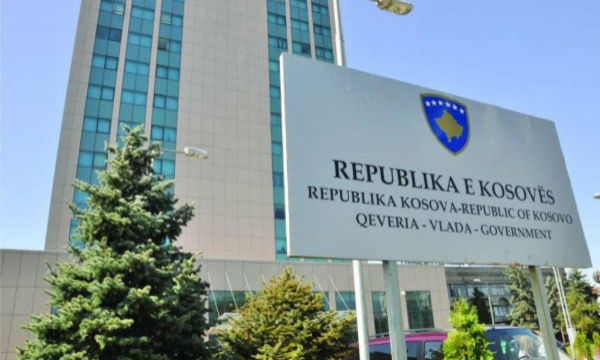
Autoritetet e Kosovës ndërmorën të enjten një aksion institucional në veri të vendit, duke marrë nën administrim stacionet hekurudhore në komunat me shumicë serbe dhe duke i kaluar ato nën kontrollin e ndërmarrjes publike Infrakos. Operacioni u zhvillua në orët e mëngjesit në Zveçan, ndërsa sipas zyrtarëve qeveritarë përfshin edhe stacione të tjera hekurudhore në veri të Kosovës.[1]
Në terren ndodheshin ministri në detyrë i Punëve të Brendshme Xhelal Sveçla, ministrja në detyrë e Ekonomisë Artane Rizvanolli dhe ministri në detyrë i Infrastrukturës Dimal Basha. Gjatë aksionit u hoq tabela me mbishkrim në alfabetin cirilik nga objekti i stacionit hekurudhor dhe në ndërtesë u vendos flamuri shtetëror i Kosovës, duke simbolizuar kalimin e kontrollit institucional nga strukturat serbe tek institucionet e Kosovës.[2]
Ministri Dimal Basha deklaroi se stacionet hekurudhore në veri deri më tani kanë operuar nën struktura që Qeveria e Kosovës i konsideron paralele dhe jashtë sistemit juridik të Kosovës. Sipas tij, Infrakos do të marrë menaxhimin e plotë të katër stacioneve hekurudhore në veri, si pjesë e procesit të integrimit institucional të infrastrukturës publike në tërë territorin e vendit.[3]
Edhe ministrja Artane Rizvanolli tha se ndërmarrjet publike të Kosovës po e shtrijnë gradualisht funksionimin e tyre në komunat veriore, duke marrë kontrollin mbi asetet publike që për vite kanë funksionuar jashtë administrimit të Prishtinës. Ajo e cilësoi marrjen nën administrim të stacioneve hekurudhore si një hap tjetër në konsolidimin e sovranitetit institucional të Kosovës në veri.[4]
Në momentin e ndërhyrjes, sipas raportimeve nga vendngjarja, në objektin e stacionit ndodhej një punëtor, i cili pas mbërritjes së Policisë së Kosovës mori sendet personale dhe u largua pa incidente. Deri tani nuk është raportuar për tensione apo përplasje gjatë operacionit.[5]
Ky zhvillim konsiderohet pjesë e një serie aksionesh të ndërmarra muajt e fundit nga autoritetet kosovare në veri të vendit, ku janë marrë nën kontroll objekte dhe ndërmarrje që më herët operonin sipas sistemit serb. Në kuadër të krizës së vazhdueshme në veri, autoritetet kosovare kanë ndërhyrë edhe në sektorin e ujësjellësit, administratës komunale dhe ndërmarrjeve të tjera publike.[6]
Çështja e hekurudhave në veri ka qenë prej vitesh një pikë e ndjeshme në raportet ndërmjet Kosovës dhe Serbisë. Segmenti hekurudhor në veri të Mitrovicës është menaxhuar për një kohë të gjatë nga struktura serbe dhe jo nga institucionet e Kosovës, ndonëse infrastruktura konsiderohet pjesë e rrjetit hekurudhor të Kosovës.[7]
Historikisht, kontrolli mbi linjat hekurudhore në veri ka qenë objekt tensionesh politike dhe sigurie që nga periudha pas shpalljes së pavarësisë së Kosovës. Në vitin 2008, misioni i atëhershëm i OKB-së në Kosovë kishte ndërhyrë për të rikthyer kontrollin mbi segmentin hekurudhor në veri pasi Serbia kishte tentuar të merrte administrimin e një pjese të linjës pranë Zveçanit.[8]
Rrjeti hekurudhor i Kosovës përfshin qindra kilometra linjë aktive dhe konsiderohet pjesë e korridorit rajonal hekurudhor që lidh Ballkanin me rrjetin evropian të transportit. Projektet për modernizimin e hekurudhave janë mbështetur nga Bashkimi Evropian dhe institucione financiare ndërkombëtare, ndërsa një pjesë e investimeve lidhet pikërisht me segmentin Mitrovicë–Leshak, që shtrihet drejt kufirit me Serbinë.[9]
Aksioni i sotëm vjen në një moment politik të ndjeshëm, në ditën e nisjes zyrtare të fushatës zgjedhore për zgjedhjet e 7 qershorit në Kosovë. Analistët politikë e shohin këtë zhvillim si pjesë të strategjisë së Qeverisë së Kosovës për të dëshmuar kontroll efektiv institucional në veri, zonë që prej vitesh mbetet një nga pikat kryesore të mosmarrëveshjeve ndërmjet Prishtinës dhe Beogradit.
Fusnotat:
[1] “Autoritetet e Kosovës morën nën kontroll stacionet hekurudhore në veri”, raportime mediale nga Zveçani, 28 maj 2026.
[2] Raportime nga mediat lokale dhe pamje nga vendngjarja mbi heqjen e tabelës me mbishkrim cirilik dhe vendosjen e flamurit shtetëror të Kosovës në objektin e stacionit hekurudhor në Zveçan, 28 maj 2026.
[3] Deklarata e ministrit në detyrë të Infrastrukturës, Dimal Basha, dhënë mediave gjatë aksionit në Zveçan, ku ai konfirmoi se Infrakos do të marrë menaxhimin e katër stacioneve hekurudhore në veri të Kosovës.
[4] Deklarata e ministres në detyrë të Ekonomisë, Artane Rizvanolli, mbi shtrirjen e ndërmarrjeve publike të Kosovës dhe marrjen nën administrim të aseteve publike në veri, 28 maj 2026.
[5] Raportime të gazetarëve nga vendngjarja mbi largimin pa incidente të një punëtori nga objekti i stacionit pas mbërritjes së Policisë së Kosovës dhe zyrtarëve institucionalë.
[6] Shih raportet mbi zhvillimet në veri të Kosovës gjatë viteve 2024–2026, përfshirë ndërhyrjet institucionale në sektorin e administratës komunale, ujësjellësit dhe ndërmarrjeve publike në komunat veriore.
[7] KoSSev, “Kosovskim železnicama na severu upravlja Srbija”, raport mbi administrimin e rrjetit hekurudhor në veri të Kosovës dhe funksionimin e strukturave serbe në sektorin hekurudhor.
[8] Reuters, “UN versus Serbia in Kosovo railway shunting match”, raport mbi tensionet rreth kontrollit të linjës hekurudhore në veri të Kosovës pas shpalljes së pavarësisë, 4 mars 2008.
[9] Hill International, “The Express Train to Europe: Rehabilitating Kosovo’s Railway Route 10”, raport mbi projektet e modernizimit të rrjetit hekurudhor të Kosovës dhe rëndësinë strategjike të segmentit Mitrovicë–Leshak në kuadër të korridoreve rajonale të transportit.
Vendi i Lekës, 28.05.2026
Kosovo Authorities Assume Control of Northern Railway Stations, Expanding Institutional Presence in the North
Isuf B. Bajrami
Kosovo authorities on Thursday carried out an institutional operation in the north of the country, assuming administrative control over railway stations in Serb-majority municipalities and placing them under the management of the public railway infrastructure company Infrakos. The operation took place in the early morning hours in Zvečan and, according to government officials, also includes several other railway stations in northern Kosovo.[1]
Present at the scene were acting Minister of Internal Affairs Xhelal Sveçla, acting Minister of Economy Artane Rizvanolli, and acting Minister of Infrastructure Dimal Basha. During the operation, authorities removed a sign written in the Cyrillic alphabet from the railway station building and raised the flag of Kosovo on the facility, symbolizing the transfer of institutional control from Serbian-run structures to Kosovo institutions.[2]
Minister Dimal Basha stated that the railway stations in northern Kosovo had until now operated under what the Government of Kosovo considers parallel Serbian structures functioning outside Kosovo’s legal framework. According to him, Infrakos will assume full management of four railway stations in the north as part of a broader process of institutional integration of public infrastructure across the entire territory of Kosovo.[3]
Minister Artane Rizvanolli likewise stated that Kosovo’s public enterprises are gradually extending their operations into the northern municipalities by taking control of public assets that for years had functioned outside the administration of Pristina. She described the assumption of control over the railway stations as another step toward consolidating Kosovo’s institutional sovereignty in the north.[4]
At the time of the intervention, according to media reports from the scene, one worker was present inside the station building. Following the arrival of Kosovo Police officers and government officials, he reportedly collected his personal belongings and left the premises without incident. No tensions or confrontations have been reported thus far.[5]
The development is viewed as part of a broader series of actions undertaken in recent months by Kosovo authorities in the north of the country, where institutions have assumed control over facilities and enterprises that previously operated within the Serbian system. As part of the ongoing crisis in northern Kosovo, authorities have also intervened in sectors including water utilities, municipal administration, and other public enterprises.[6]
The issue of railway control in northern Kosovo has long represented a sensitive point in relations between Kosovo and Serbia. For years, railway segments north of Mitrovica were reportedly managed by Serbian-operated structures rather than Kosovo institutions, despite the infrastructure being formally regarded as part of Kosovo’s railway network.[7]
Historically, control over railway lines in northern Kosovo has been the subject of political and security tensions since the period following Kosovo’s declaration of independence. In 2008, the United Nations mission in Kosovo intervened to restore control over a railway segment in the north after Serbia attempted to assume management of part of the line near Zvečan.[8]
Kosovo’s railway network comprises hundreds of kilometers of active railway lines and forms part of a regional transport corridor linking the Western Balkans with the broader European railway system. Modernization projects for Kosovo’s rail infrastructure have been supported by the European Union and international financial institutions, with particular attention given to the Mitrovica–Leshak railway segment extending toward the Serbian border.[9]
Thursday’s operation comes at a politically sensitive moment, coinciding with the official opening of the electoral campaign for Kosovo’s June 7 elections. Political analysts view the development as part of the Kosovo Government’s broader strategy to demonstrate effective institutional control in the north, an area that for years has remained one of the principal points of dispute between Pristina and Belgrade.
Footnotes
[1] Media reports on the takeover of railway stations in northern Kosovo, published on 28 May 2026.
[2] Local media reports and footage from the scene documenting the removal of the Cyrillic sign and the raising of the Kosovo flag at the railway station in Zvečan, 28 May 2026.
[3] Statement by acting Minister of Infrastructure Dimal Basha to the media during the operation in Zvečan, confirming that Infrakos would assume management of four railway stations in northern Kosovo.
[4] Statement by acting Minister of Economy Artane Rizvanolli regarding the extension of Kosovo public enterprises into northern municipalities and the assumption of control over public assets, 28 May 2026.
[5] Journalistic reports from the scene describing the peaceful departure of a station worker following the arrival of Kosovo Police and government officials.
[6] See reports and analyses concerning institutional developments in northern Kosovo during 2024–2026, including interventions involving municipal administration, water utilities, and public enterprises.
[7] KoSSev, “Kosovskim železnicama na severu upravlja Srbija” [“Serbia Manages Railways in Northern Kosovo”], report concerning the administration of railway infrastructure in northern Kosovo.
[8] Reuters, “UN versus Serbia in Kosovo railway shunting match,” 4 March 2008, reporting on tensions surrounding railway control in northern Kosovo following Kosovo’s declaration of independence.
[9] Hill International, “The Express Train to Europe: Rehabilitating Kosovo’s Railway Route 10,” report on railway modernization projects in Kosovo and the strategic importance of the Mitrovica–Leshak railway corridor.
The Land of Leka, 28.05.2026