


 [ Libra NëLinjë ]
 Isuf B. Bajrami
1. Konteksti historik dhe gjeopolitik
Zona kufitare mes Kosova dhe Serbiaake. Pas Lufta e Kosovës dhe shpalljes së pavarësisë së Kosovës në vitin 2008, çdo aktivitet ushtarak pranë kufirit perceptohet si provokim i mundshëm, duke rritur shqetësimin e komuniteteve lokale.[1]
Fshatrat strategjikë si Karaçevë, Breznicë dhe Muhoc janë prekur drejtpërdrejt nga tensionet e vazhdueshme, dhe çdo prezencë e forcave serbe në këto zona shkakton shqetësim dhe ndjenja të pasigurisë te banorët.[2]
2. Stërvitjet ushtarake serbe dhe impakti mbi komunitetin
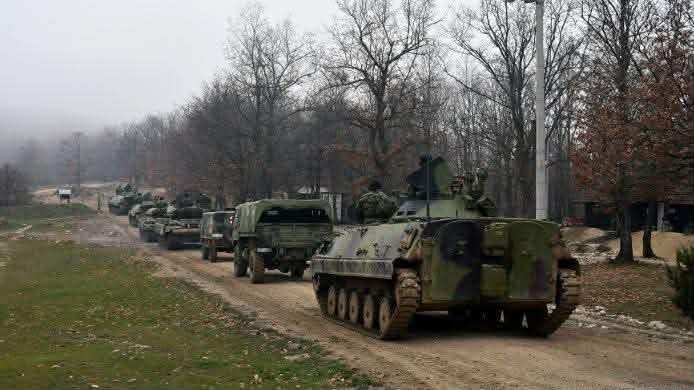
Stërvitjet e 18 Marsit 2026 afër fshatrave kufitare nuk janë thjesht manovra rutinë. Ato shërbejnë si instrument i demonstrimit të fuqisë dhe presionit psikologjik mbi Kosovën dhe qytetarët e zonave kufitare.[3]
Efektet kryesore përfshijnë:
• Presion psikologjik dhe ndjenja frike te banorët.
• Ndërprerje të aktivitetit të përditshëm dhe ekonomik, duke penguar qarkullimin dhe aktivitetet sociale.
• Mesazh politik dhe strategjik, drejtuar si Kosovës (demonstrim i kapaciteteve), si komunitetit ndërkombëtar (testim reagimesh) dhe si opinionit publik serb (legjitimizim politik dhe mobilizim).
Analizë kritike: Aktivitetet e tilla shërbejnë si instrument destabilizues, duke rritur potencialin për incidente kufitare dhe tensionim etnik.
3. Politikat hibride ruse
Raporti i USIC për vitin 2026 evidenton përdorimin e politikave hibride të Rusisë për të rritur tensionet midis Kosovës dhe Serbisë dhe për të ruajtur ndikimin në Ballkanin Perëndimor.[4]
Rusia përdor mjete të ndryshme, duke përfshirë:
• Organizata joqeveritare të sponsorizuara nga shteti për propagandë dhe ndarje etnike.
• Narrative të viktimizimit të serbëve dhe promovim lidhjes me Moskën.
• Minimin e besimit te NATO dhe Bashkimi Evropian.
Implikimi kritik: Bashkëveprimi i politikave hibride ruse me stërvitjet serbe intensifikon ndjenjën e kërcënimit, duke e bërë ambientin kufitar më të rrezikshëm dhe potencialisht të përshkallëzueshëm.
4. Modernizimi dhe furnizimi me armë i Serbisë
4.1 Prodhimi vendor
Serbia ka investuar në industrinë mbrojtëse vendase, duke përfshirë fabrikat si “Milan Blagojeviç”. Sipas deklaratave të Aleksandar Vučić, prodhimi vendor dhe eksportet e armëve po rriten, dhe Forcat e Armatosura Serbe po modernizohen me teknologji digjitale dhe inteligjencë artificiale.[5]
4.2 Furnizimet e jashtme
Përveç prodhimit vendor, Serbia furnizohet me sisteme komplekse nga Kina, Turqia dhe vende të tjera, duke e kompletuar arsenalin dhe duke rritur kapacitetet mbrojtëse dhe sulmuese. Këto furnizime shërbejnë si sinjal politik dhe strategjik për rajonin dhe komunitetin ndërkombëtar.[6]
4.3 Impakt rajonal
Kombinimi i prodhimit vendor dhe furnizimeve të jashtme e pozicionon Serbinë si aktor të fuqishëm në rajon, duke rritur presionin mbi Kosovën dhe duke sinjalizuar gatishmëri për përdorim force në rast të përshkallëzimeve.[7]
5. Ndikimi mbi qytetarët
Banorët e zonave kufitare përballen me:
• Pasiguri dhe tension të vazhdueshëm.
• Ndërprerje të aktivitetit të përditshëm dhe ekonomik.
• Ndjenja të frikës dhe kërcënimit ndaj jetës dhe pronës.
Ky presion psikologjik është rezultat i bashkëveprimit të stërvitjeve serbe, politikave hibride ruse dhe furnizimeve të avancuara me armë, duke krijuar një ambient të rrezikshëm dhe destabilizues.[8]
6. Analizë kritike
1. Serbia – përdor stërvitjet, modernizimin dhe furnizimet e jashtme si instrument për demonstrim fuqie dhe presion ndaj Kosovës.
2. Rusia – përdor politikë hibride për të nxitur ndarjet dhe për të minuar stabilitetin rajonal.
3. Qytetarët lokalë – viktima të drejtpërdrejta të presionit psikologjik dhe të pasigurisë.
4. Stabiliteti rajonal – rrezikohet nga ndërveprimi i forcave ushtarake, politikave hibride dhe furnizimeve të avancuara, duke rritur mundësinë për incidente kufitare dhe tensionim etnik.
Konkluzion kritik: Bashkëveprimi i stërvitjeve serbe, politikave hibride ruse dhe modernizimit të armatimeve, përfshirë furnizimet e jashtme, krijon një ambient strategjikisht të tensionuar, ku qytetarët përjetojnë pasiguri të thellë dhe stabiliteti rajonal mbetet i brishtë.
7. Rekomandime
• Monitorim i vazhdueshëm ndërkombëtar i aktiviteteve ushtarake dhe furnizimeve me armë.
• Mekanizma të fuqishme dialogu dhe de-eskalimi mes Kosovës dhe Serbisë.
• Informim dhe mbrojtje e qytetarëve të zonave kufitare.
• Koordinim me NATO dhe BE për të parandaluar përshkallëzimin dhe për të neutralizuar ndikimin destabilizues të politikave hibride ruse.
Fusnota
[1] Judah, Tim. Kosovo: What Everyone Needs to Know. Oxford University Press, 2019.
[2] Hyseni, Alban. Komunikatë për stërvitjet ushtarake pranë kufirit, Komuna e Gjilanit, 18 Mars 2026.
[3] Balkan Insight. “Serbia Military Drills Near Kosovo Border Raise Tensions,” 18 March 2026.
[4] USIC. Worldwide Threat Assessment 2026: Russia’s Influence in the Western Balkans. Washington, D.C., 2026.
[5] Vučić, Aleksandar. Deklarata për modernizimin dhe prodhimin vendor të armëve, 2026.
[6] SIPRI Arms Transfers Database. Serbia Arms Imports Overview 2022–2025. Stockholm, 2025.
[7] International Institute for Strategic Studies (IISS). The Military Balance 2026. London, 2026.
[8] UNDP Kosovo. Human Security and Community Perceptions in Border Areas, Prishtina, 2025.
Vendi i Lekës: 18.03.2026
Kosovo–Serbia Tensions and the Role of Hybrid Policies and Armaments
Isuf B. Bajrami
1. Historical and Geopolitical Context
The border area between Kosovo and Serbia, and military tension. Following the Kosovo War and Kosovo’s declaration of independence in 2008, any military activity near the border is perceived as a potential provocation, increasing local communities’ concerns.[1]
Strategic villages such as Karaçevë, Breznicë, and Muhoc are directly affected by ongoing tensions, and the presence of Serbian forces in these areas generates anxiety and insecurity among residents.[2]
2. Serbian Military Exercises and Community Impact
The military exercises conducted on March 18, 2026, near the border villages are not merely routine maneuvers. They function as a demonstration of power and psychological pressure on Kosovo and the residents of border areas.[3]
Key effects include:
• Psychological pressure and fear among residents.
• Disruption of daily and economic activities, hindering mobility and social life.
• Political and strategic signaling, directed at Kosovo (capacity demonstration), the international community (testing reactions), and Serbian public opinion (political legitimization and mobilization).
Critical analysis: Such activities act as destabilizing instruments, increasing the potential for border incidents and ethnic tension escalation.
3. Russian Hybrid Policies
The 2026 report by USIC highlights Russia’s use of hybrid policies to increase tensions between Kosovo and Serbia and maintain influence in the Western Balkans.[4]
Russia employs various methods, including:
• State-sponsored non-governmental organizations for propaganda and ethnic division.
• Narratives portraying Serbs as victims and promoting connections with Moscow.
• Undermining confidence in NATO and the European Union.
Critical implication: The interaction of Russian hybrid policies with Serbian military exercises intensifies the perceived threat, making the border environment more dangerous and potentially escalatory.
4. Serbia’s Armament Modernization and Supplies
4.1 Domestic Production
Serbia has heavily invested in its domestic defense industry, including facilities such as “Milan Blagojević.” According to Aleksandar Vučić, domestic production and arms exports are increasing, while the Serbian Armed Forces are modernizing through digital technology and artificial intelligence.[5]
4.2 External Supplies
In addition to domestic production, Serbia acquires complex systems from China, Turkey, and other countries, complementing its arsenal and enhancing defensive and offensive capabilities. These imports also serve as political and strategic signals to the region and the international community.[6]
4.3 Regional Impact
The combination of domestic production and external supplies positions Serbia as a strong regional actor, increasing pressure on Kosovo and signaling readiness for potential use of force in escalation scenarios.[7]
5. Impact on Citizens
Residents of border areas face:
• Ongoing insecurity and tension.
• Disruption of daily and economic activities.
• Feelings of fear and threat to life and property.
This psychological pressure results from the combined effect of Serbian military exercises, Russian hybrid policies, and advanced armament supplies, creating a hazardous and destabilizing environment.[8]
6. Critical Analysis
1. Serbia – uses exercises, modernization, and external supplies as instruments of power demonstration and pressure on Kosovo.
2. Russia – employs hybrid policies to exploit divisions and undermine regional stability.
3. Local citizens – are direct victims of psychological pressure and insecurity.
4. Regional stability – is threatened by the interaction of military forces, hybrid policies, and advanced arms supplies, increasing the risk of border incidents and ethnic tension.
Critical conclusion: The combination of Serbian exercises, Russian hybrid policies, and armament modernization, including external supplies, creates a strategically tense environment where citizens experience deep insecurity and regional stability remains fragile.
7. Recommendations
• Continuous international monitoring of military activities and arms supplies.
• Strong dialogue and de-escalation mechanisms between Kosovo and Serbia.
• Protection and information for citizens in border areas.
• Coordination with NATO and the EU to prevent escalation and neutralize the destabilizing influence of Russian hybrid policies.
Footnotes
[1] Judah, Tim. Kosovo: What Everyone Needs to Know. Oxford University Press, 2019.
[2] Hyseni, Alban. Statement on Military Exercises Near the Border, Municipality of Gjilan, 18 March 2026.
[3] Balkan Insight. “Serbia Military Drills Near Kosovo Border Raise Tensions,” 18 March 2026.
[4] USIC. Worldwide Threat Assessment 2026: Russia’s Influence in the Western Balkans. Washington, D.C., 2026.
[5] Vučić, Aleksandar. Statement on Modernization and Domestic Arms Production, 2026.
[6] SIPRI Arms Transfers Database. Serbia Arms Imports Overview 2022–2025. Stockholm, 2025.
[7] International Institute for Strategic Studies (IISS). The Military Balance 2026. London, 2026.
[8] UNDP Kosovo. Human Security and Community Perceptions in Border Areas, Pristina, 2025.
The Land of Leka; 18.03.2026