


 [ Libra NëLinjë ]

Isuf B. Bajrami
Standardet demokratike në pikëpyetje pas ngjarjes në Haraçinë
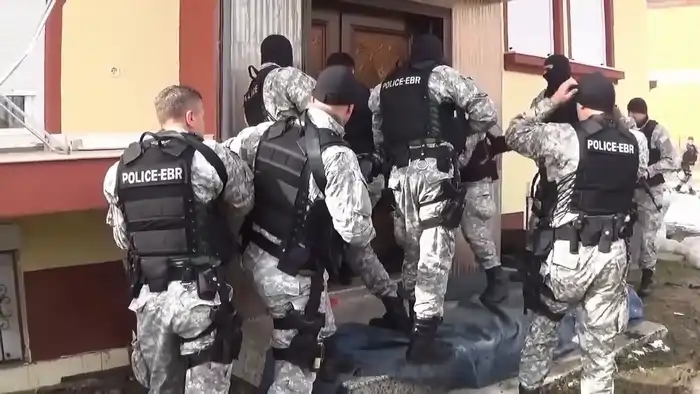
Ngjarja e raportuar në Haraçinë ka shkaktuar shqetësim të gjerë publik dhe ka rikthyer në vëmendje çështjen e përdorimit të forcës policore në zona të banuara civile. Sipas raportimeve nga terreni dhe dëshmive të qytetarëve, ndërhyrja policore e shoqëruar me prani të forcave të armatosura dhe përdorim të armëve të zjarrit në afërsi të vendbanimeve ka krijuar ndjenjë frike, pasigurie dhe alarmi tek banorët.
Në një shtet të së drejtës, përdorimi i forcës nga policia nuk është diskrecion i pakufizuar operacional, por veprim i rregulluar rreptësisht nga Kushtetuta, ligjet vendore dhe standardet ndërkombëtare detyruese. Sipas Ligjit për Policinë të Republikës së Maqedonisë së Veriut, përdorimi i forcës lejohet vetëm në rast domosdoshmërie, proporcionaliteti dhe vetëm kur mjetet e tjera janë të pamjaftueshme¹. Në veçanti, përdorimi i armëve të zjarrit lejohet vetëm si masë e fundit dhe vetëm kur ekziston rrezik i drejtpërdrejtë për jetën.
Po ashtu, Rregullorja për përdorimin e mjeteve të detyrimit nga policia përcakton qartë një hierarki të detyrueshme veprimi, duke filluar nga paralajmërimi verbal, përdorimi i forcës minimale dhe vetëm në fund përdorimi i armëve të zjarrit si mjet ekstrem². Çdo devijim nga kjo shkallë përbën shkelje të standardeve procedurale të ndërhyrjes policore.
Kushtetuta e Republikës së Maqedonisë së Veriut garanton në mënyrë të qartë të drejtën për jetë dhe ndalon trajtimin çnjerëzor ose degradues³. Këto dispozita vendosin kufizime të drejtpërdrejta mbi çdo veprim policor, veçanërisht në situata ku rrezikohet siguria e qytetarëve civilë.
Në të njëjtën linjë, Ligji për Punët e Brendshme kërkon që çdo operacion policor të jetë i bazuar në ligj, i kontrolluar në mënyrë hierarkike dhe i dokumentuar në mënyrë të plotë për qëllime të mbikëqyrjes dhe llogaridhënies institucionale⁴. Ky kuadër synon të garantojë që përdorimi i forcës të mos dalë jashtë kontrollit demokratik dhe institucional.
Sipas Ligjit për Mbikëqyrje të Brendshme në MPB, çdo dyshim për përdorim të tepruar ose të paligjshëm të forcës obligon mekanizmat e brendshëm të kontrollit të hapin hetim të plotë dhe të pavarur⁵. Ky mekanizëm është thelbësor për ruajtjen e besimit publik dhe parandalimin e abuzimit të autoritetit policor.
Në nivel ndërkombëtar, standardet e Konventës Evropiane për të Drejtat e Njeriut, veçanërisht Neni 2 dhe Neni 3, obligojnë shtetin të sigurojë mbrojtje efektive të jetës dhe të ndalojë çdo trajtim çnjerëzor⁶. Gjykata Evropiane për të Drejtat e Njeriut ka theksuar se shteti mban përgjegjësi jo vetëm për veprimet direkte të policisë, por edhe për mënyrën e planifikimit dhe kontrollit të operacioneve në terren.
Në këtë kontekst, standardet e OSBE-së për policim demokratik theksojnë se policia duhet të veprojë si shërbim publik i bazuar në besim, transparencë dhe proporcionalitet, duke shmangur çdo perceptim të militarizimit të jetës civile dhe çdo veprim që mund të interpretohet si intimidim ndaj komunitetit⁷.
Raportimet nga Haraçina, pavarësisht nevojës për verifikim zyrtar, ngrenë pyetje serioze juridike dhe institucionale mbi:
– proporcionalitetin e ndërhyrjes policore;
– justifikimin e përdorimit të armëve në zonë të banuar;
– vlerësimin e rrezikut për civilët;
– dhe respektimin e procedurave të detyrueshme operacionale.
Në një shtet demokratik, policia nuk mund të veprojë jashtë kontrollit publik dhe juridik.
Çdo operacion që prek sigurinë e qytetarëve kërkon transparencë të plotë, hetim të pavarur dhe llogaridhënie institucionale.
Siguria publike nuk mund të ndërtohet mbi frikë apo perceptim force, por mbi ligjshmëri, proporcionalitet dhe respekt të pakushtëzuar për jetën dhe dinjitetin njerëzor.
Fusnotat:
¹ Ligji për Policinë i Republikës së Maqedonisë së Veriut (2006) – Nenet 80, 83, 88, 89 dhe 91 (përdorimi i forcës dhe armëve të zjarrit)
Ligji për Policinë përcakton qartë parimin e ligjshmërisë, proporcionalitetit dhe domosdoshmërisë në ushtrimin e autorizimeve policore.
– Neni 80 definon “detyrimin” si përdorim të forcës fizike ose mjeteve të detyrimit vetëm kur veprimi policor nuk mund të realizohet në mënyrë tjetër.
– Neni 83 lejon përdorimin e forcës fizike vetëm për zmbrapsjen e sulmit, parandalimin e arratisjes ose thyerjen e rezistencës aktive.
– Nenet 88 dhe 91 rregullojnë përdorimin e mjeteve kimike dhe mjeteve të tjera të detyrimit, duke theksuar se jeta dhe shëndeti i qytetarëve nuk duhet të rrezikohet.
– Neni 89 dhe 90 përcaktojnë kushtet strikte për përdorimin e armëve të zjarrit, të cilat lejohen vetëm kur është “absolutisht e domosdoshme” dhe kur nuk ekziston asnjë mjet tjetër për të mbrojtur jetën ose për të parandaluar rrezik serioz dhe të menjëhershëm.
– Ligji gjithashtu ndalon përdorimin e armëve nëse rrezikohet jeta e personave të tretë, përveç rasteve kur kjo është mënyra e vetme për të shmangur rrezik të drejtpërdrejtë.
² Ligji për Punët e Brendshme i RMV-së – dispozitat për organizimin dhe kontrollin e operacioneve policore
Ky ligj përcakton se çdo operacion policor duhet të:
– ketë bazë të qartë ligjore dhe urdhër komandues;
– jetë i planifikuar dhe i kontrolluar në mënyrë hierarkike;
– respektojë parimin e proporcionalitetit dhe minimizimit të rrezikut;
– dokumentohet në mënyrë të plotë për kontroll të brendshëm dhe hetim eventual.
Ai vendos përgjegjësi të drejtpërdrejtë për zinxhirin komandues në rast të tejkalimit të autorizimeve.
³ Rregullorja për përdorimin e mjeteve të detyrimit nga Ministria e Punëve të Brendshme (akt nënligjor operacional)
Rregullorja përcakton një hierarki të detyrueshme të forcës:
Paralajmërim verbal dhe urdhër policor;
Përdorim i forcës minimale fizike;
Përdorim i mjeteve të kontrollit (pranga, shkop gome, gaz lotsjellës);
Përdorim i armëve të zjarrit vetëm si mjet i fundit.
Gjithashtu kërkon raportim të detajuar për çdo përdorim force dhe kontroll nga mekanizmat e MPB-së.
⁴ Kushtetuta e Republikës së Maqedonisë së Veriut – Neni 10 dhe Neni 11
– Neni 10 garanton të drejtën për jetë si të pacenueshme.
– Neni 11 ndalon çdo formë torture, trajtimi çnjerëzor ose degradues.
Këto norma kanë fuqi supreme dhe kufizojnë çdo veprim policor, duke kërkuar mbrojtje maksimale të integritetit fizik të qytetarëve gjatë operacioneve shtetërore.
⁵ Ligji për Mbikëqyrjen e Brendshme, Kontrollin Profesional dhe Standardet Profesionale në MPB
Ky ligj krijon mekanizmin e kontrollit të brendshëm (internal oversight) dhe obligon:
– hetim të çdo dyshimi për përdorim të paligjshëm ose disproporcional të forcës;
– vlerësim të veprimeve policore në përputhje me ligjin dhe rregulloret;
– përgjegjësi disiplinore dhe penale për shkelje.
Është instrument kyç për llogaridhënien policore.
⁶ Kodi Penal i RMV-së – dispozitat për tejkalimin e autorizimeve zyrtare dhe keqtrajtimin gjatë ushtrimit të detyrës
Kodi Penal parashikon përgjegjësi penale për zyrtarët që:
– tejkalojnë kompetencat zyrtare;
– përdorin forcë të panevojshme ose të paligjshme;
– shkaktojnë lëndime gjatë ushtrimit të detyrës;
– ose kryejnë trajtim çnjerëzor gjatë veprimit zyrtar.
Këto dispozita aktivizohen veçanërisht në rastet e dyshimit për përdorim disproporcional të forcës.
⁷ Ligji për Ratifikimin e Konventës Evropiane për të Drejtat e Njeriut (ECHR) – Neni 2 dhe 3 (pjesë e rendit juridik të RMV)
Si shtet palë, RMV është e detyruar të zbatojë standardet e KEDNJ-së:
– Neni 2: detyrim për mbrojtjen e jetës dhe hetim efektiv të çdo përdorimi force potencialisht vdekjeprurëse;
– Neni 3: ndalim absolut i trajtimit çnjerëzor;
– Gjykata Evropiane kërkon gjithashtu planifikim të kujdesshëm operacional dhe kontroll të rreptë komandues në çdo ndërhyrje policore.
Vendi i Lekës, 24.05.2026
Police operation or intimidation of citizens?
Isuf B. Bajrami
Democratic standards called into question following the incident in Haraçinë
The incident reported in Haraçinë has caused significant public concern and has brought renewed attention to the issue of police use of force in civilian residential areas. According to field reports and citizens’ testimonies, the police intervention, accompanied by the presence of armed units and alleged use of firearms in proximity to residential zones, has created a sense of fear, insecurity, and alarm among residents.
In a rule-of-law state, the use of force by the police is not an unrestricted operational discretion, but a strictly regulated action governed by the Constitution, domestic legislation, and binding international standards. According to the Law on Police of the Republic of North Macedonia, the use of force is permitted only in cases of necessity, proportionality, and only when other means are insufficient¹. In particular, the use of firearms is allowed only as a last resort and only when there is an immediate threat to life.
Furthermore, the Regulation on the use of means of coercion by the police establishes a clear and mandatory hierarchy of action, starting from verbal warning, minimal use of force, and only then the use of firearms as an extreme measure². Any deviation from this hierarchy constitutes a breach of procedural standards governing police intervention.
The Constitution of the Republic of North Macedonia explicitly guarantees the right to life and prohibits torture or inhuman or degrading treatment³. These provisions impose direct limitations on any police action, especially in situations where civilian safety is at risk.
In the same line, the Law on Internal Affairs requires that every police operation must be legally grounded, hierarchically controlled, and fully documented for oversight and accountability purposes⁴. This framework is intended to ensure that the use of force does not escape democratic and institutional control.
According to the Law on Internal Control within the Ministry of Interior, any suspicion of excessive or unlawful use of force obliges internal control mechanisms to initiate a full and independent investigation⁵. This mechanism is essential for maintaining public trust and preventing abuse of police authority.
At the international level, the standards of the European Convention on Human Rights, particularly Articles 2 and 3, require the state to ensure effective protection of life and to prohibit any inhuman treatment⁶. The European Court of Human Rights has emphasized that the state is responsible not only for direct actions of the police, but also for the planning and control of operations in the field.
In this context, the standards of the OSCE on democratic policing highlight that the police must operate as a public service based on trust, transparency, and proportionality, avoiding any perception of militarization of civilian life and any action that may be interpreted as intimidation of the community⁷.
Reports from Haraçinë, while still requiring official verification, raise serious legal and institutional questions regarding:
– proportionality of police intervention;
– justification for the use of firearms in a residential area;
– assessment of risk to civilians;
– compliance with mandatory operational procedures.
In a democratic state, the police cannot operate outside public and legal oversight.
Any operation affecting citizens’ safety requires full transparency, independent investigation, and institutional accountability.
Public safety cannot be built on fear or perceived force, but on legality, proportionality, and absolute respect for human life and dignity.
Footnotes:
¹ Law on Police of the Republic of North Macedonia (2006) – Articles 80, 83, 88, 89 and 91 (use of force and firearms)
The Law on Police establishes the fundamental principles of legality, necessity, and proportionality in the exercise of police powers.
– Article 80 defines coercion as the use of physical force or means of coercion only when police action cannot be carried out otherwise.
– Article 83 allows the use of physical force only to repel an attack, prevent escape, or overcome active resistance.
– Articles 88 and 91 regulate the use of chemical agents and other coercive means, explicitly emphasizing that the life and health of citizens must not be endangered.
– Articles 89 and 90 define strict conditions for the use of firearms, which are permitted only when “absolutely necessary” and when no other means are available to protect life or prevent serious and immediate danger.
– The law further prohibits the use of firearms where third persons’ lives are endangered, except in situations where this is the only means to prevent direct and imminent threat to life.
² Regulation on the use of means of coercion by the Ministry of Interior of the Republic of North Macedonia (operational bylaw)
This regulation establishes a mandatory hierarchy of force:
– Verbal warning and lawful police order;
– Minimal physical force;
– Use of control means (handcuffs, baton, tear gas);
– Firearms only as a last resort measure.
It also requires detailed reporting for every use of force and supervision by the Ministry of Interior’s internal control mechanisms.
³ Constitution of the Republic of North Macedonia – Articles 10 and 11
– Article 10 guarantees the right to life as inviolable.
– Article 11 prohibits any form of torture, inhuman, or degrading treatment.
These constitutional norms have supreme legal force and impose strict limits on all state actions, including police operations, requiring maximum protection of physical integrity.
⁴ Law on Internal Affairs of the Republic of North Macedonia – provisions on police operations and command control
This law provides that every police operation must:
– have a clear legal basis and lawful command order;
– be planned and executed under hierarchical control;
– respect proportionality and risk minimization principles;
– be fully documented for internal and external oversight purposes.
It establishes direct responsibility of the command chain in cases of abuse or excess of authority.
⁵ Law on Internal Control, Criminal Investigations and Professional Standards within the Ministry of Interior
This law establishes internal oversight mechanisms and obliges authorities to:
– investigate all allegations of unlawful or excessive use of force;
– assess compliance of police conduct with law and regulations;
– impose disciplinary or criminal accountability for violations.
It is a key instrument for ensuring police accountability and preventing abuse of power.
⁶ European Convention on Human Rights (ECHR) – Articles 2 and 3, as part of the legal order of North Macedonia
As a contracting party, North Macedonia is bound to apply the ECHR standards:
– Article 2: obligation to protect life and conduct effective investigations into any potentially unlawful use of force;
– Article 3: absolute prohibition of inhuman or degrading treatment;
– The European Court of Human Rights also requires strict operational planning and command control in all law enforcement operations involving potential use of force.
⁷ OSCE Guidebook on Democratic Policing
The OSCE defines democratic policing as a model where the police:
– operate in service of the public rather than as a political instrument;
– are transparent and accountable to institutions and citizens;
– use force only as a last resort and in a strictly proportional manner;
– respect ethnic diversity and avoid any perception of discrimination.
Public trust is considered a core element of police legitimacy.
The Land of Leka, 24.05.2026