


 [ Libra NëLinjë ]
 Isuf B. Bajrami
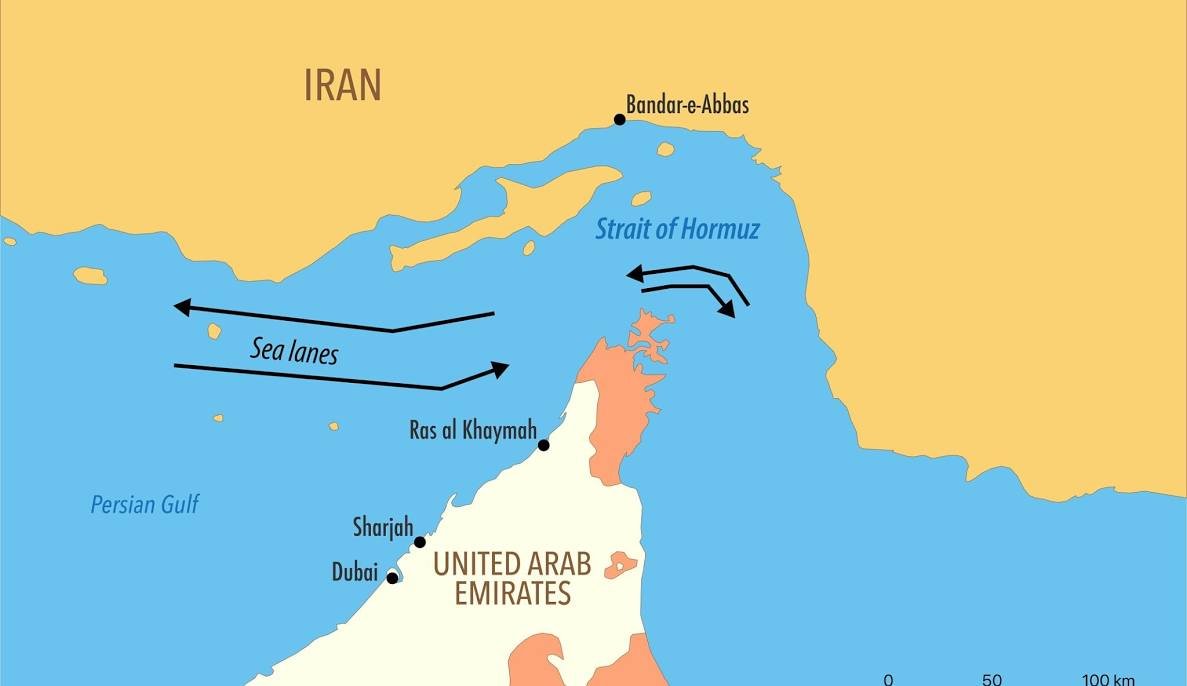
Bashkëpunimi midis Rusisë dhe Iranit ka evoluar në një partneritet strategjik shumëdimensional, duke sfiduar sovranitetin e vendeve të Gjirit Persik dhe normat ndërkombëtare. Ky bashkëpunim përfshin këshillim ushtarak, transferim teknologjie dhe koordinim strategjik për militarizimin e ishujve Abu Musa, Tunb i Madh dhe Tunb i Vogël¹.
Roli i SHBA-së dhe Strategjitë Ndërkombëtare Kundër Ndikimit Rus dhe Iranian
Në këtë kontekst, Shtetet e Bashkuara të Amerikës (SHBA) luajnë një rol kyç si garantues i sigurisë rajonale dhe promovues i ligjit ndërkombëtar². Ky studim akademik synon të analizojë:
• kontekstin historik dhe juridik të ishujve të kontestuar;
• instrumentet ligjore ndërkombëtare;
• pasojat e bashkëpunimit rus–iranian;
• strategjitë aktive të SHBA-së dhe komunitetit ndërkombëtar.
1. Bazat Ligjore Ndërkombëtare dhe Sovraniteti
1.1 Charteri i Kombeve të Bashkuara (1945)
Charteri i OKB-së ndalon përdorimin e forcës kundër integritetit territorial të shteteve (Artikulli 2(4))³ dhe njeh të drejtën e vetëmbrojtjes individuale ose kolektive (Artikulli 51)⁴. SHBA përdor këto parime për të justifikuar prezencën e forcave detare në Gjirin Persik dhe koordinimin me vendet partnere për të parandaluar shkeljet territoriale nga Irani dhe Rusia⁵.
1.2 Konventa e Kombeve të Bashkuara për Ligjin e Detit (UNCLOS, 1982)
UNCLOS përcakton normat për sovranitetin mbi ujërat territoriale, lirinë e navigimit dhe zgjidhjen e mosmarrëveshjeve ndërkombëtare⁶.
• Artikulli 3 – Sovranitet mbi ujërat territoriale⁷.
• Artikulli 121(1‑2) – Statusi juridik i ishujve⁸.
• Artikujt 38‑45 – Liria e navigimit dhe tranziti ndërkombëtar (transit passage) në ngushticat ndërkombëtare⁹.
SHBA përdor këtë bazë për të garantuar kalimin e lirë detar në Ngushticën e Hormuzit dhe për të monitoruar aktivitetet ushtarake iraniane në ishujt strategjikë.
1.3 Gjykata Ndërkombëtare e Drejtësisë (ICJ)
Statuti i ICJ përcakton juridiksionin mbi mosmarrëveshjet ndërkombëtare që shtetet mund t’i referojnë gjykatës (Artikulli 36(1))¹⁰. SHBA mbështet referime të mundshme nga Emiratet e Bashkuara Arabe dhe vendet e tjera për të zgjidhur paqësisht kontestet e sovranitetit.
2. Sovraniteti dhe Kontesti i Ishujve Strategjikë
• Abu Musa, Tunb i Madh dhe Tunb i Vogël janë nën kontrollin iranian që nga viti 1971, por pretendohet nga Emiratet e Bashkuara Arabe¹¹.
• SHBA ka konsoliduar partneritetin me vendet e Gjirit për të mbrojtur lirinë e navigimit dhe për të monitoruar aktivizimin ushtarak iranian.
• Strategjia amerikane përfshin praninë detare, aleancat rajonale dhe koordinimin e inteligjencës për parandalimin e provokimeve dhe sulmeve.
3. Bashkëpunimi Rus–Iranian dhe Pasojat
• Rusia ofron këshilltarë ushtarakë, transferim teknologjie dhe mbështetje strategjike për Iranin¹².
• Kjo ka lehtësuar militarizimin e ishujve dhe kërcënimin e lirisë së navigimit.
• Pasojat për rendin ndërkombëtar përfshijnë destabilizimin e tregjeve energjetike dhe precedentë të ndryshimeve territoriale me forcë.
4. Strategjitë e SHBA-së Kundër Ndikimit Rus dhe Iranian
4.1 Instrumentet Juridike dhe Diplomatike
• Përdorimi i UNCLOS, Charterit të OKB-së dhe ICJ për të sfiduar veprimet e paligjshme¹³.
• Rezolutat e Këshillit të Sigurimit (Nenet 41‑42) për sanksione të targetuara¹⁴.
4.2 Strategjitë Politike dhe Ekonomike
• Koalicione rajonale për sigurinë dhe mbrojtjen e lirisë së kalimit detar.
• Sanksione kundër entiteteve që kontribuojnë në militarizimin e ishujve.
• Diplomaci multilaterale për të ruajtur balancën e fuqisë dhe për të siguruar zgjidhje paqësore.
4.3 Përfitimet e Strategjive Amerikane
• Redukton rrezikun e përshkallëzimeve ushtarake.
• Promovon stabilitetin energjetik global.
• Përforcon normat ndërkombëtare dhe besueshmërinë e institucioneve si OKB dhe UNCLOS.
5. Rekomandime Akademike dhe Strategjike
1. Rritja e mbikëqyrjes ndërkombëtare mbi aktivitetet ushtarake në ishujt e kontestuar.
2. Zgjerimi i partneriteteve multilaterale për të forcuar presionin mbi Rusinë dhe Iranin.
3. Përdorimi i instrumenteve ligjore për të dokumentuar dhe ndëshkuar çdo shkelje.
4. Diplomaci proactive me Turqinë, Pakistanin dhe vendet neutrale për zgjidhje paqësore.
Fusnota:
1. Raporti i OKB-së mbi transferimin e teknologjisë ushtarake, 2022.
2. Charteri i Kombeve të Bashkuara, 1945, Neni 51, https://www.un.org/en/about-us/un-charter.
3. Charteri i Kombeve të Bashkuara, 1945, Neni 2(4), https://www.un.org/en/about-us/un-charter.
4. UNCLOS, 1982, Artikulli 3, https://www.un.org/depts/los/convention_agreements/texts/unclos/unclos_e.pdf.
5. UNCLOS, 1982, Artikulli 121(1‑2).
6. UNCLOS, 1982, Artikujt 38‑45.
7. Statuti i ICJ, 1945, Artikulli 36(1), https://www.icj-cij.org/en/statute.
8. Raporti i OKB-së mbi aktivitetet ushtarake në Gjirin Persik, 2023.
9. Draft Articles on Responsibility of States for Internationally Wrongful Acts, 2001, United Nations, https://legal.un.org/ilc/texts/instruments/english/draft_articles/9_6_2001.pdf.
10. Charteri i OKB-së, Nenet 41‑42, 1945.
11. Raporti i OKB-së mbi sovranitetin e ishujve, 2022.
12. Raporti mbi bashkëpunimin ushtarak rus–iranian, UNODA, 2023.
13. Charteri i OKB-së, Artikujt 2 dhe 51, 1945.
14. Rezoluta e Këshillit të Sigurimit, Nenet 41‑42, 1945.
Vendi i Lekës; 28.03.2026
ENGLISH
Russia-Iran Cooperation in the Persian Gulf
Isuf B. Bajrami
The cooperation between Russia and Iran has evolved into a multidimensional strategic partnership, challenging the sovereignty of Persian Gulf states and international norms. This cooperation includes military advising, technology transfer, and strategic coordination for the militarization of the Abu Musa, Greater Tunb, and Lesser Tunb islands¹.
The Role of the USA and International Strategies Against Russian and Iranian Influence
In this context, the United States of America (USA) plays a key role as a guarantor of regional security and promoter of international law². This academic study aims to analyze:
• the historical and legal context of the contested islands;
• international legal instruments;
• the consequences of Russian–Iranian cooperation;
• active strategies of the USA and the international community.
1. International Legal Foundations and Sovereignty
1.1 United Nations Charter (1945)
The UN Charter prohibits the use of force against the territorial integrity of states (Article 2(4))³ and recognizes the right of individual or collective self-defense (Article 51)⁴. The USA uses these principles to justify the presence of naval forces in the Persian Gulf and coordination with partner states to prevent territorial violations by Iran and Russia⁵.
1.2 United Nations Convention on the Law of the Sea (UNCLOS, 1982)
UNCLOS sets norms for sovereignty over territorial waters, freedom of navigation, and settlement of international disputes⁶.
• Article 3 – Sovereignty over territorial waters⁷.
• Article 121(1‑2) – Legal status of islands⁸.
• Articles 38‑45 – Freedom of navigation and transit passage in international straits⁹.
The USA uses this legal framework to ensure the free passage of ships through the Strait of Hormuz and monitor Iranian military activities on strategic islands.
1.3 International Court of Justice (ICJ)
The ICJ Statute defines jurisdiction over international disputes that states may bring to the court (Article 36(1))¹⁰. The USA supports potential referrals by the United Arab Emirates and other states to peacefully resolve sovereignty disputes.
2. Sovereignty and Strategic Island Disputes
• Abu Musa, Greater Tunb, and Lesser Tunb have been under Iranian control since 1971 but are claimed by the United Arab Emirates¹¹.
• The USA has consolidated partnerships with Gulf states to protect freedom of navigation and monitor Iranian military activity.
• The American strategy includes naval presence, regional alliances, and intelligence coordination to prevent provocations and attacks.
3. Russian–Iranian Cooperation and Its Consequences
• Russia provides military advisors, technology transfer, and strategic support to Iran¹².
• This has facilitated the militarization of the islands and threats to freedom of navigation.
• Consequences for the international order include destabilization of energy markets and precedents for territorial changes by force.
4. US Strategies Against Russian and Iranian Influence
4.1 Legal and Diplomatic Instruments
• Use of UNCLOS, UN Charter, and ICJ to challenge unlawful actions¹³.
• UN Security Council resolutions (Articles 41–42) for targeted sanctions¹⁴.
4.2 Political and Economic Strategies
• Regional security coalitions to protect freedom of navigation.
• Sanctions against entities contributing to island militarization.
• Multilateral diplomacy to maintain the balance of power and ensure peaceful solutions.
4.3 Benefits of American Strategies
• Reduces the risk of military escalation.
• Promotes global energy stability.
• Strengthens international norms and the credibility of institutions like the UN and UNCLOS.
5. Strategic Recommendations
1. Increase international monitoring of military activities on contested islands.
2. Expand multilateral partnerships to strengthen pressure on Russia and Iran.
3. Use legal instruments to document and punish any violations.
4. Engage in proactive diplomacy with Turkey, Pakistan, and neutral states for peaceful resolution.
Footnotes:
1. UN Report on Military Technology Transfer, 2022.
2. United Nations Charter, 1945, Article 51, https://www.un.org/en/about-us/un-charter.
3. United Nations Charter, 1945, Article 2(4), https://www.un.org/en/about-us/un-charter.
4. UNCLOS, 1982, Article 3, https://www.un.org/depts/los/convention_agreements/texts/unclos/unclos_e.pdf.
5. UNCLOS, 1982, Article 121(1‑2).
6. UNCLOS, 1982, Articles 38‑45.
7. ICJ Statute, 1945, Article 36(1), https://www.icj-cij.org/en/statute.
8. UN Report on Military Activities in the Persian Gulf, 2023.
9. Draft Articles on Responsibility of States for Internationally Wrongful Acts, 2001, United Nations, https://legal.un.org/ilc/texts/instruments/english/draft_articles/9_6_2001.pdf.
10. UN Charter, Articles 41–42, 1945.
11. UN Report on Sovereignty over Islands, 2022.
12. Report on Russian–Iranian Military Cooperation, UNODA, 2023.
13. UN Charter, Articles 2 and 51, 1945.
14. UN Security Council Resolution, Articles 41–42, 1945.
The Land of Leka; 28.03.2026