


 [ Libra NëLinjë ]
Isuf B. Bajrami
Mbledhja e jashtëzakonshme e OKB-së – 5 janar 2026
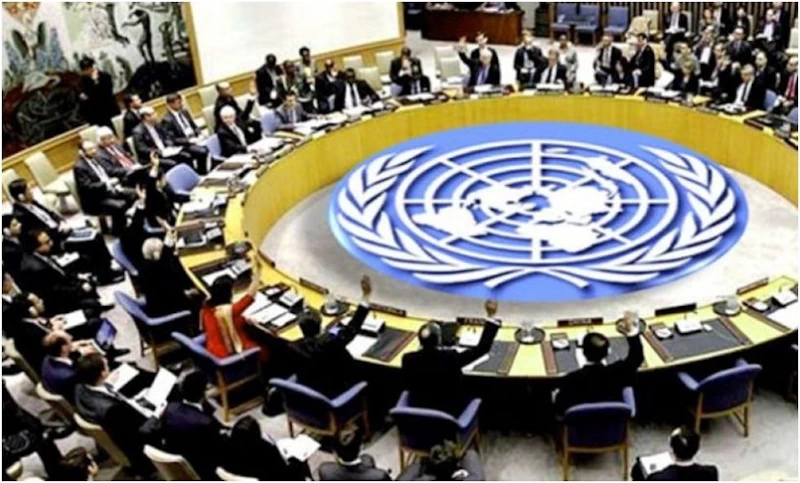
• Këshilli i Sigurimit i OKB-së zhvillon një seancë të jashtëzakonshme për operacionin ushtarak të SHBA-së në Venezuelë[1].
• Mbledhja u kërkua nga Venezuela dhe Kolumbia, dhe u mbështet nga Kina dhe Rusia[2].
• Rusia përdor këtë mbledhje për të kritikuar SHBA-në dhe për të theksuar pretendimin e saj se sovraniteti i vendeve duhet të respektohet[3].
Strategjia diplomatike ruse
• Rusia përdor OKB-në për të paraqitur veprimet e saj si mbrojtëse të rendit ndërkombëtar[4].
• Koordinimi me aleatë si Kina e ndihmon atë të bllokojë rezolutat kritike[5].
• Platforma e OKB-së shfrytëzohet për të legjitimuar narrativin e Rusisë, pavarësisht kritikave ndërkombëtare[6].
Veprimet ekstreme konkrete
• Ukraina: Sulme me artileri, raketa dhe dronë ndaj civilëve; dëmtime të mëdha infrastrukturore[7][8].
• Afrika (Mali, Sahel): Forca paramilitare ruse (Africa Corps/Wagner) ofrojnë mbështetje ushtarake dhe kryejnë abuzime ndaj civilëve[9][10].
• Vendosje globale: Intervenime të drejtpërdrejta dhe indirekte në Azinë Qendrore dhe ish-shtetet sovjetike[11].
Kontradikta kryesore
• Rusia pretendon se mbron rendin ndërkombëtar dhe sovranitetin, por veprimet e saj konkrete shpesh përbëjnë intervenime, dhunë ndaj civilëve dhe shkelje të ligjit ndërkombëtar[12][13].
• Mbledhja e OKB-së është përdorur si mjet diplomatik për të mbuluar veprimet ekstreme dhe për të sfiduar kritikën ndërkombëtare.
Përfundim
Mbledhja e jashtëzakonshme e OKB-së tregon se diplomacia ruse shpesh kontraston me veprimet konkrete ushtarake dhe paramilitare. Kjo tregon sfidën për komunitetin ndërkombëtar: si të ruhet legjitimiteti ndërkombëtar kur një anëtar i përhershëm përdor forumet e OKB-së për të justifikuar ose mbuluar veprime të dhunshme[14][15].
Fusnota
[1]: United Nations. (2026). Security Council emergency session on Venezuela. https://www.un.org/securitycouncil/
[2]: Reuters. (2026). Venezuela and Colombia request UN Security Council meeting. https://www.reuters.com
[3]: United Nations General Assembly. (2025). Statements by Russia on sovereignty and intervention. https://undocs.org
[4]: Amnesty International. (2025). Russia’s narrative in UN forums. https://www.amnesty.org
[5]: United Nations Security Council. (2025). Coordination with allies to block resolutions. https://www.un.org/securitycouncil/
[6]: European Council. (2025). Russia’s diplomatic messaging and UN strategy. https://www.consilium.europa.eu/en/policies/sanctions/
[7]: Human Rights Watch. (2025). Civilian casualties and drone attacks in Ukraine. https://www.hrw.org
[8]: United Nations Human Rights Council. (2023). Investigation report on Russian attacks in Kherson. https://ukraine.un.org/en/295172-un-commission-concludes-russian-armed-forces%E2%80%99-drone-attacks-against-civilians-kherson
[9]: Reuters. (2025). Russia expands Africa Corps for Mali and Sahel. https://www.reuters.com
[10]: Human Rights Watch. (2025). Abuses by Russian paramilitary units in Africa. https://www.hrw.org
[11]: International Crisis Group. (2025). Russia’s paramilitary operations in Asia and former Soviet states. https://www.crisisgroup.org
[12]: Amnesty International. (2025). Russia’s interventions vs diplomatic statements. https://www.amnesty.org
[13]: United Nations General Assembly. (2022). Resolution ES‑11/1 on Ukraine. https://docs.un.org/en/A/RES/ES-11/1
[14]: International Crisis Group. (2025). Global response to Russian interventions. https://www.crisisgroup.org
[15]: European Council. (2025). Diplomatic consequences of Russian actions. https://www.consilium.europa.eu/en/policies/sanctions/
Vendi i Lekës; 04.01.2026
ENGLISH
Russia at the UN and its extreme actions
Isuf B. Bajrami
UN Emergency Meeting – January 5, 2026
• The UN Security Council will hold an emergency session to discuss the U.S. military operation in Venezuela[1].
• The session was requested by Venezuela and Colombia, supported by China and Russia[2].
• Russia uses this meeting to criticize the U.S. and emphasize that state sovereignty must be respected[3].
Russian Diplomatic Strategy
• Russia presents its positions at the UN as defending international order[4].
• Coordination with allies like China helps block or weaken resolutions critical of Russia[5].
• The UN platform is used to legitimize Russia’s narrative, despite widespread international criticism[6].
Extreme Actions in Practice
• Ukraine: Artillery, missile, and drone attacks on civilians; significant infrastructure damage[7][8].
• Africa (Mali, Sahel): Russian paramilitary forces (Africa Corps / Wagner) provide military support and commit abuses against civilians[9][10].
• Global deployments: Direct and indirect interventions in Central Asia and former Soviet states[11].
Key Contradiction
• Russia claims to protect international order and sovereignty, yet its actions often involve interventions, violence against civilians, and violations of international law[12][13].
• The UN emergency meeting is used as a diplomatic tool to mask extreme actions and challenge international criticism.
Conclusion
The January 5 UN emergency meeting illustrates the gap between Russia’s diplomatic rhetoric and its concrete military and paramilitary actions. This highlights the international challenge: how to maintain legitimacy and accountability when a permanent UN member uses the UN itself to justify or obscure violent interventions[14][15].
Footnotes
[1]: United Nations. (2026). Security Council emergency session on Venezuela. https://www.un.org/securitycouncil/
[2]: Reuters. (2026). Venezuela and Colombia request UN Security Council meeting. https://www.reuters.com
[3]: United Nations General Assembly. (2025). Statements by Russia on sovereignty and intervention. https://undocs.org
[4]: Amnesty International. (2025). Russia’s narrative in UN forums. https://www.amnesty.org
[5]: United Nations Security Council. (2025). Coordination with allies to block resolutions. https://www.un.org/securitycouncil/
[6]: European Council. (2025). Russia’s diplomatic messaging and UN strategy. https://www.consilium.europa.eu/en/policies/sanctions/
[7]: Human Rights Watch. (2025). Civilian casualties and drone attacks in Ukraine. https://www.hrw.org
[8]: United Nations Human Rights Council. (2023). Investigation report on Russian attacks in Kherson. https://ukraine.un.org/en/295172-un-commission-concludes-russian-armed-forces%E2%80%99-drone-attacks-against-civilians-kherson
[9]: Reuters. (2025). Russia expands Africa Corps for Mali and Sahel. https://www.reuters.com
[10]: Human Rights Watch. (2025). Abuses by Russian paramilitary units in Africa. https://www.hrw.org
[11]: International Crisis Group. (2025). Russia’s paramilitary operations in Asia and former Soviet states. https://www.crisisgroup.org
[12]: Amnesty International. (2025). Russia’s interventions vs diplomatic statements. https://www.amnesty.org
[13]: United Nations General Assembly. (2022). Resolution ES‑11/1 on Ukraine. https://docs.un.org/en/A/RES/ES-11/1
[14]: International Crisis Group. (2025). Global response to Russian interventions. https://www.crisisgroup.org
[15]: European Council. (2025). Diplomatic consequences of Russian actions. https://www.consilium.europa.eu/en/policies/sanctions/
The Land of Leka; 04.01.2026