


 [ Libra NëLinjë ]
Isuf B. Bajrami
Duke u mbështetur në qasje teorike të realizmit strukturor, institucionalizmit liberal dhe konstruktivizmit, argumenton se ngërçi vendimmarrës në Këshilli i Sigurimit i Kombeve të Bashkuara është rezultat i rivalitetit ndërmjet fuqive të mëdha. Një fokus i veçantë i kushtohet rolit të Franca si aktor ndërmjetësues, por edhe si faktor që kontribuon në fragmentimin e unitetit perëndimor.
1. Hyrje
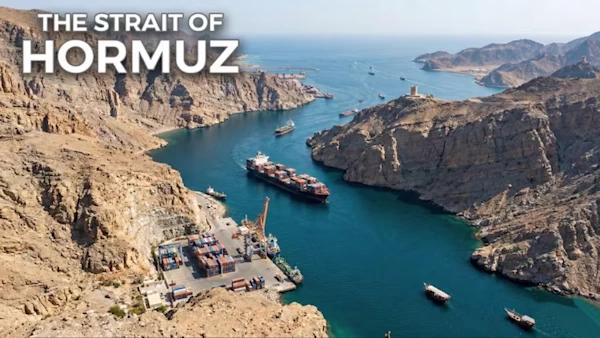
Kriza e Ngushtica e Hormuzit përfaqëson një nga sfidat më të rëndësishme të sigurisë ndërkombëtare. Si nyje kritike për tregtinë globale të energjisë, çdo ndërprerje ka pasoja të menjëhershme për ekonominë globale. Paaftësia e Këshilli i Sigurimit i Kombeve të Bashkuara për të prodhuar një përgjigje të koordinuar reflekton tensionet strukturore të sistemit ndërkombëtar.¹
2. Korniza teorike
2.1 Realizmi strukturor
Sistemi ndërkombëtar karakterizohet nga anarkia dhe konkurrenca për fuqi.² Fuqitë e mëdha veprojnë kryesisht sipas interesit kombëtar, duke vendosur rendin global në një ekuacion të vazhdueshëm balancimi.
2.2 Dilema e sigurisë
Masat mbrojtëse shpesh perceptohen si kërcënuese, duke krijuar spiralë përshkallëzimi.³ Ngjarjet në Ngushticën e Hormuzit tregojnë sesi frikërat reciproke të sigurisë prodhojnë tensione të vazhdueshme mes aktorëve kryesorë.
2.3 Liberalizmi institucional
Institucionet ndërkombëtare lehtësojnë bashkëpunimin dhe reduktojnë pasigurinë, por kur interesat divergojnë, ato bëhen arena rivaliteti.⁴ Këshilli i Sigurimit demonstron kufizimet e institucioneve shumëpalëshe në kohë krize.
3. Ekonomia politike e krizës
Ngushtica e Hormuzit është arteria kryesore për tregtinë globale të naftës.⁵ Bllokimi i saj shkakton rritje çmimesh, pasiguri ekonomike dhe presion inflacionist, duke ilustruar fenomenin e “weaponized interdependence.”⁶ Shtetet e përfshira përdorin këtë rrugë strategjike si instrument politik për të arritur objektiva të brendshme dhe ndërkombëtare.
4. Ngërçi në Këshillin e Sigurimit
Ngërçi është rezultat i divergjencave strategjike dhe përdorimit të vetos nga fuqitë e mëdha.⁷ Çdo përpjekje për të autorizuar përdorimin e forcës për të garantuar kalimin e sigurt u kundërshtua nga Kina dhe Rusia, duke ilustruar dobësinë e unitetit perëndimor dhe tensionet strukturore të OKB-së.
5. Roli i Francës
5.1 Autonomia strategjike
Franca ndjek një politikë të pavarur nga SHBA, duke synuar autonomi strategjike në vendimmarrjen ushtarake dhe diplomatike.⁸
5.2 Franca si aktor ndërmjetësues
Në krizën e Ngushticës, Franca promovon zgjidhje diplomatike dhe kompromis, duke kundërshtuar përdorimin e gjerë të forcës. Ky rol e vendos Francën si urë komunikimi mes Perëndimit dhe fuqive si Kina dhe Rusia.⁹
5.3 Franca si faktor përçarës
Pozicioni i saj fragmenton unitetin perëndimor dhe krijon hapësira për negocime të veçanta me fuqitë jo-perëndimore. Kjo reflekton qasjen e saj si middle power, që ndikon në ekuilibrin e fuqive dhe efektivitetin e Këshillit të Sigurimit.¹⁰
6. Diskutim dhe interpretim teorik
Kriza demonstron:
• Tranzicionin drejt multipolaritetit
• Dobësimin e institucioneve shumëpalëshe
• Rritjen e rolit të aktorëve ndërmjetësues
Franca shfaqet si aktor ambivalent: stabilizon përmes diplomacisë, por fragmenton përmes divergjencës strategjike.¹¹
7. Përfundime
• Ngërçi në Këshillin e Sigurimit është strukturor dhe reflekton rivalitetin ndërmjet fuqive të mëdha.¹²
• Franca luan rol kyç si aktor ndërmjetësues dhe faktor që fragmenton unitetin perëndimor.¹³
• Kriza në Ngushticën e Hormuzit ilustron transformimin e rendit ndërkombëtar drejt multipolaritetit dhe kufizimeve të sistemit shumëpalësh.¹⁴
Fusnota:
1. Vlerësimi i rolit të OKB-së dhe sfidave të saj në krizën e Hormuzit është marrë nga analizat e Associated Press dhe raporte të ekspertëve të sigurisë ndërkombëtare mbi bllokimin e transportit.
2. Kenneth Waltz, Theory of International Politics (Reading: Addison-Wesley, 1979), 88.
3. John H. Herz, “Idealist Internationalism and the Security Dilemma,” World Politics 2, no. 2 (1950): 157–158.
4. Robert O. Keohane, After Hegemony (Princeton: Princeton University Press, 1984), 45–46.
5. International Energy Agency (IEA), World Energy Outlook, 2022.
6. Henry Farrell and Abraham Newman, “Weaponized Interdependence,” International Security 44, no. 1 (2019): 42–45.
7. John J. Mearsheimer, The Tragedy of Great Power Politics (New York: W.W. Norton, 2001), 310.
8. Jolyon Howorth, Strategic Autonomy in European Defense (London: Routledge, 2017), 21–23.
9. Analiza e deklaratave diplomatike të Francës dhe komunikimeve me Kinën dhe Rusinë gjatë negociatave në Këshillin e Sigurimit.
10. Studime mbi politikën e Francës si “middle power” dhe efektin në unitetin perëndimor, përfshirë raportet e think tank-eve evropiane.
11. Interpretimi teorik mbi përplasjen midis diplomacisë stabilizuese dhe fragmentimit strategjik, duke përdorur qasjen e realizmit dhe institucionalizmit.
12. Vlerësim i ngërçit si fenomen struktural në marrëdhëniet ndërkombëtare, i bazuar në literaturën mbi rivalitetin e fuqive të mëdha.
13. Roli i Francës si aktor ndërmjetësues dhe përçarës, sipas analizave të rastit të Ngushticës së Hormuzit.
14. Përfundime mbi ndikimin e krizës në multipolaritetin global dhe dobësimin e sistemit shumëpalësh.
Vendi i Lekës; 04.04.2026
The Strait of Hormuz Crisis and the Fragmentation of the International Order: The Role of France in the Deadlock of the United Nations Security Council
Isuf B. Bajrami
Relying on the theoretical approaches of structural realism, liberal institutionalism, and constructivism, this paper argues that the decision-making deadlock in the United Nations Security Council is the result of rivalries among major powers. Special attention is given to the role of France as a mediating actor, but also as a factor contributing to the fragmentation of Western unity.
1. Introduction
The Strait of Hormuz crisis represents one of the most critical challenges to international security. As a strategic node for global energy trade, any disruption has immediate consequences for the global economy. The United Nations Security Council’s inability to produce a coordinated response reflects the structural tensions of the international system.¹
2. Theoretical Framework
2.1 Structural Realism
The international system is characterized by anarchy and competition for power.² Great powers primarily act according to national interest, placing global order in a continuous balancing equation.
2.2 The Security Dilemma
Defensive measures are often perceived as threatening, creating spirals of escalation.³ Events in the Strait of Hormuz show how mutual security fears generate ongoing tensions among key actors.
2.3 Liberal Institutionalism
International institutions facilitate cooperation and reduce uncertainty, but when interests diverge, they become arenas of rivalry.⁴ The Security Council demonstrates the limitations of multilateral institutions in times of crisis.
3. The Political Economy of the Crisis
The Strait of Hormuz is the main artery for global oil trade.⁵ Its blockage causes price increases, economic uncertainty, and inflationary pressures, illustrating the phenomenon of “weaponized interdependence.”⁶ Involved states use this strategic route as a political instrument to achieve both domestic and international objectives.
4. Deadlock in the Security Council
The deadlock is the result of strategic divergences and the use of vetoes by major powers.⁷ Any attempt to authorize the use of force to ensure safe passage was opposed by China and Russia, illustrating the weakness of Western unity and the structural tensions of the UN.
5. The Role of France
5.1 Strategic Autonomy
France pursues a policy independent of the United States, aiming for strategic autonomy in military and diplomatic decision-making.⁸
5.2 France as a Mediating Actor
In the Strait of Hormuz crisis, France promotes diplomatic solutions and compromise, opposing the broad use of force. This role positions France as a communication bridge between the West and powers such as China and Russia.⁹
5.3 France as a Divisive Factor
Its position fragments Western unity and creates room for separate negotiations with non-Western powers. This reflects France’s approach as a middle power, affecting the balance of power and the effectiveness of the Security Council.¹⁰
6. Discussion and Theoretical Interpretation
The crisis demonstrates:
• The transition toward multipolarity
• The weakening of multilateral institutions
• The growing role of mediating actors
France appears as an ambivalent actor: stabilizing through diplomacy, yet fragmenting through strategic divergence.¹¹
7. Conclusions
• The deadlock in the Security Council is structural and reflects rivalries among major powers.¹²
• France plays a key role as a mediating actor and as a factor that fragments Western unity.¹³
• The Strait of Hormuz crisis illustrates the transformation of the international order toward multipolarity and the constraints of multilateralism.¹⁴
Footnotes:
1. Assessment of the UN’s role and its challenges in the Hormuz crisis is drawn from Associated Press analyses and reports by international security experts on transport blockages.
2. Kenneth Waltz, Theory of International Politics (Reading: Addison-Wesley, 1979), 88.
3. John H. Herz, “Idealist Internationalism and the Security Dilemma,” World Politics 2, no. 2 (1950): 157–158.
4. Robert O. Keohane, After Hegemony (Princeton: Princeton University Press, 1984), 45–46.
5. International Energy Agency (IEA), World Energy Outlook, 2022.
6. Henry Farrell and Abraham Newman, “Weaponized Interdependence,” International Security 44, no. 1 (2019): 42–45.
7. John J. Mearsheimer, The Tragedy of Great Power Politics (New York: W.W. Norton, 2001), 310.
8. Jolyon Howorth, Strategic Autonomy in European Defense (London: Routledge, 2017), 21–23.
9. Analysis of France’s diplomatic statements and communications with China and Russia during Security Council negotiations.
10. Studies on France’s “middle power” policy and its impact on Western unity, including reports from European think tanks.
11. Theoretical interpretation of the tension between stabilizing diplomacy and strategic fragmentation, using realism and institutionalism.
12. Assessment of the deadlock as a structural phenomenon in international relations, based on literature on great power rivalry.
13. France’s role as a mediating and divisive actor, according to analyses of the Strait of Hormuz case.
14. Conclusions on the crisis’s impact on global multipolarity and the weakening of multilateral systems.
The Land of Leka; 04.04.2026