



 [ Libra NëLinjë ]
 Isuf B. Bajrami
Siguria Rajonale dhe Sjellja e Serbisë
Rajoni i Ballkanit Perëndimor është një hapësirë strategjikisht e ndjeshme, ku faktorët historikë, politikë dhe ekonomikë ndikojnë në sigurinë dhe stabilitetin e shteteve. Pas shpërbërjes së ish-Jugosllavisë në vitet 1990, tensionet etnike, mosmarrëveshjet territoriale dhe memoriet historike kanë krijuar një klimë të vazhdueshme pasigurie. Konfliktet e mëparshme, përfshirë luftën në Bosnjë, shpërbërjen e Kosovës dhe tensionet në Maqedoninë e Veriut, kanë lënë gjurmë të thella në marrëdhëniet ndërmjet fqinjëve. Në këtë mjedis, çdo lëvizje ushtarake ose modernizim i forcave të armatosura ka efekt të menjëhershëm në perceptimin e sigurisë rajonale.
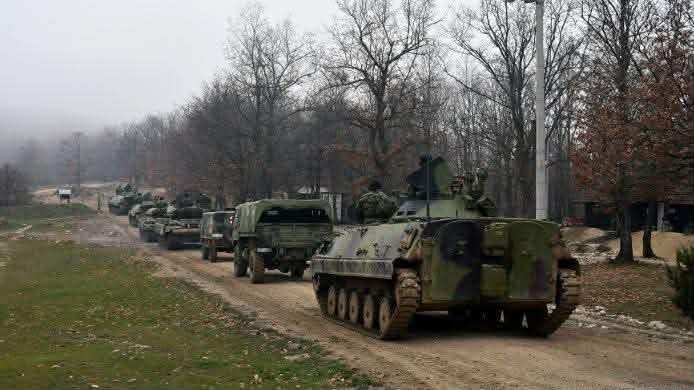
Serbia, duke e konsideruar veten trashëgimtare të fuqisë ushtarake të ish-Jugosllavisë, ka ndjekur një politikë ambicioze të modernizimit ushtarak. Investimet në pajisje moderne, avionë luftarakë të gjeneratës së fundit, raketa supersonike dhe sisteme të avancuara mbrojtëse tregojnë një përpjekje të qartë për të ndërtuar një ushtri teknologjikisht konkurruese në rajon. Diversifikimi i furnizuesve të armëve – nga Kina, Rusia dhe Franca – i siguron Serbisë fleksibilitet strategjik, por gjithashtu krijon një perceptim të dyshimtë midis fqinjëve, të cilët shpesh e konsiderojnë këtë si një politikë të mundshme agresive.
Ndërkohë, neutraliteti ushtarak formal i Serbisë dhe bashkëpunimi i kufizuar me NATO përmes programit Partnership for Peace nuk i largon plotësisht shqetësimet e fqinjëve. Modernizimi i avancuar i forcave ajrore dhe aftësive standoff, përfshirë përdorimin e raketave supersonike CM‑400AKG, dronëve të armatosur CH‑92A dhe CH‑95, si dhe sistemeve të mbrojtjes ajrore FK‑3 dhe HQ‑17AE, rrit kapacitetin e Serbisë për operacione që mund të ndikojnë në territorin e fqinjëve, veçanërisht në Kosovë, Bosnjë dhe Mal të Zi. Kjo kombinim i aftësive teknologjike me një buxhet mbrojtës të lartë (rreth 2.5–2.6% të PBB-së) rrit potencialin për presion politik dhe ushtarak ndaj shteteve të tjera të rajonit.
Nga perspektiva e fqinjëve dhe komunitetit ndërkombëtar, këto zhvillime shihen jo vetëm si modernizim i domosdoshëm, por edhe si një sinjal i mundshëm i agresionit ose dominimit rajonal. Kroacia dhe Shqipëria kanë shprehur shqetësim për rritjen e kapaciteteve standoff dhe përdorimin e dronëve të armatosur, duke i konsideruar këto si faktor që mund të përkeqësojë balancën e fuqisë. Po ashtu, investimet strategjike të Serbisë në teknologji ushtarake të avancuar mund të ndikojnë në nevojën e fqinjëve për të rritur shpenzimet mbrojtëse, modernizimin e forcave të tyre dhe koordinimin e sigurisë rajonale.
Në këtë kontekst, veprimet e Serbisë mund të interpretohen si pjesë e një strategjie të gjerë që kombinon politikë të fuqisë ushtarake me diplomaci selektive dhe aleanca të përzgjedhura jashtë NATO dhe Bashkimit Evropian. Përdorimi i kapaciteteve teknologjike të avancuara për të ruajtur sovranitetin kombëtar, ndërkohë që tregon aftësi sulmuese, krijon një dinamikë të veçantë rajonale ku fqinjët dhe aktorët ndërkombëtarë duhet të përballen me një balancë të re të fuqisë.
Analiza e sigurisë rajonale tregon se modernizimi ushtarak i Serbisë nuk është thjesht një sfidë teknike, por ka një dimension strategjik që ndikon në marrëdhëniet ndërmjet fqinjëve, në stabilitetin rajonal dhe në mekanizmat e parandalimit të konflikteve. Çdo lëvizje, çdo kontratë ushtarake dhe çdo modernizim i aftësive standoff ka ndikim të drejtpërdrejtë në perceptimin e sigurisë dhe në nevojën për dialog, monitorim dhe mekanizma rajonalë të besimit reciprok.
Modernizimi Ushtarak i Serbisë: Kapacitetet, Strategjitë dhe Impikimet Rajonale
1. KORNIZA E MODERNIZIMIT USHTARAK TË SERBISË
Serbia ndjek një strategi ambicioze për modernizimin e forcave të saj të armatosura me:
• Diversifikim të furnizuesve të pajisjeve ushtarake (Kinë¹, Francë², Rusinë tradicionale³ dhe furnizime vendore⁴)
• Rritje të kapaciteteve për luftë moderne, duke përfshirë mbrojtjen ajrore, aftësitë sulmuese dhe avionët luftarakë të gjeneratës së re⁵
• Buxhet të lartë strategjik për mbrojtje, rreth 2.5–2.6% të PBB-së⁶, një nga më të lartët në Ballkanin Perëndimor
Kjo vjen duke ruajtur “neutralitetin ushtarak”⁷ (Serbia nuk është anëtare e NATO), por bashkëpunon me NATO përmes programit Partnership for Peace⁸.
2. SISTEMET E MBRONJES AJRORE
1. FK‑3 (eksport i HQ‑22) – Mbrojtje nga Kina
• Tipi: Sistemi i raketave të mbrojtjes ajrore me rreze mesatare
• Kapacitetet: Mbron nga fluturimet e avionëve, helikopterëve, raketave cruise dhe dronëve deri në rreth 100 km⁹,¹⁰,¹¹
Është një sistem radar‑i drejtuar modern dhe mobil, që iu dorëzua forcave serbe fillimisht në 2022 pas një marrëveshjeje të nënshkruar më herët. Kjo është e para blerje e këtij sistemi nga një vend evropian.
2. HQ‑17AE – Mbrojtje Ajore me Rreze të Shkurtër/mid‑range
• Sistemi HQ‑17AE për qëllime mbrojtjeje nga kërcënimet e ulëta dhe të mesme të ajrit (p.sh. aeroplanë të vegjël, helikopterë, dronë)¹³,¹⁴,¹⁵
3. ARMËT SULMUSE STRATEGJIKE
1. CM‑400AKG – Raketë Supersonike Ajër‑Tokë
• Origjina: Kina (CASIC)¹⁶
• Roli: Raketë luftuese ajër‑tokë me kapacitet standoff strike, që fuqizon avionët luftarakë¹⁶,²⁰
• Rreze: deri në ~400 km¹⁷
• Shpejtësi: deri në rreth Mach 3.5‑4 dhe potencialisht hipersonike sipas disa analizave¹⁸
• Pesha e shpërthimit: 150–200 kg, e aftë për misione kundër qëllimeve tokësore ose detare¹⁹
Serbia është vend i parë në Evropë që i përdor këto raketa në avionët e saj MiG‑29²⁶; kjo rrit aftësinë e tij sulmuese me distancë të madhe, jo vetëm mbrojtëse.
4. DRONËT DHE AFTËSITË E RIJA
1. CH‑92A dhe CH‑95 – Dronë Çinës
• CH‑92A: Drone taktike të armatosura për zbulim dhe goditje me raketa laser‑drejtuese²²
• CH‑95: Version më i avancuar që ofron kapacitete më të mira zbulimi dhe sulmi²³
• Importet: Serbia është operatori i parë evropian i këtyre sistemeve²⁴
Këto dronë automatikë i japin ushtrisë serbe aftësi moderne për mbikëqyrje dhe sulme të precize pa rrezikim pilotësh²⁵.
5. AVIONËT LUFTARAKË – TRADICIONALE DHE MODERNE
1. MiG‑29 – Fleka Kryesore Aktualisht
• Avionë rusë të epokës sovjetike që Serbia i përvetësoi dhe vazhdon të operojë³
• Integrimi i raketave CM‑400AKG shtrihet fuqinë sulmuese të këtyre avionëve²⁶
2. Dassault Rafale – Avionët e Reja të Blerjes
• Kontrata: Serbia nënshkroi një marrëveshje me Francën për blerjen e 12 avionëve Rafale me pajisje shoqëruese²
• Vlera: rreth 2.7–3 miliardë €²
• Rëndësia: Ky është një avion i teknologjisë së fundit me kapacitete të fuqishme ajrore dhe avionikë modern, ndryshe nga MiG‑29 të epokës sovjetike²⁸
Ky është një transformim i madh në fluturim, duke sjellë teknologji “perëndimore” në ushtrinë serbe dhe duke shpërndarë furnizimin ushtarak mes Lindjes dhe Perëndimit.
6. STRATEGJIA E FURNIZIMIT – BURIMET E ARMËVE
Serbia blen armë nga disa krahë strategjikë:
1. Kina – FK‑3, CM‑400AKG, CH‑92A, CH‑95 (pjesa kryesore e importeve për pajisje moderne në 2020–2024)¹,¹⁶,²²
2. Rusia – Avionë MiG‑29 dhe sisteme të tjera tradicionale³,⁴
3. Francë (Perëndimi) – Rafale dhe pajisje të tjera moderne²
Sipas të dhënave të SIPRI, Serbia ka importuar më shumë nga Kina (57%) sesa nga Rusia (20%) apo Franca (rreth 7.4%) midis 2020‑2025³⁰,³¹,³²,³³.
7. NDËRKËRKIMET RAJONALE DHE PERCEPTIMI
1. Rreziku i Garës së Armatimit
• Serbia ka shpenzime më të larta ushtarake se shumë fqinjë, duke kërkuar teknologji të avancuar që mund të shihen si balancë e fuqisë në rajon, por edhe si shkak tensioni³⁴
• Disa vende të NATO‑s në rajon (p.sh., Shqipëria, Kroacia) modernizojnë forcat me standarde NATO¹²
• Serbia përdor një kombinim investimesh lindore dhe perëndimore, që mund të krijojë shqetësime për balancat ushtarake³⁵
2. Reagimet e Fqinjëve
• Fqinjë si Kroacia e kanë quajtur blerjen e raketave kineze si një veprim që ndryshon balancën ushtarake dhe mund të rrisë tensionet në rajon³⁵
Vlerësimi për stabilitetin rajonal:
• Armatosja dhe modernizimi janë legjitime për një shtet që kërkon sigurimin e sovranitetit³⁶
• Por vendet e rajonit me historitë e konfliktit (p.sh., Kosovë, Bosnjë, Maqedoni e Veriut) i shohin këto zhvillime me kujdes përqendruar në balancën e fuqisë dhe mosbesim³⁶
• Përdorimi i teknologjive moderne (raketa me rreze të gjatë, dronë) ndryshon natyrën e arsenaleve tradicionale, duke kërkuar mekanizma të ri të dialogut dhe stabilitetit rajonal³⁶
8. SKENARËT E MUNDSHËM TË PËRDORIMIT TË KAPACITETEVE USHTARAKE
8.1 Përdorimi i Raketave Supersonike CM‑400AKG
• Misioni: Goditje objektivash strategjikë të largët, si baze ushtarake, infrastruktura logjistike, depo municioni dhe terminale komunikimi¹⁶,²⁰
• Strategjia operative: Raketa mund të lansohet nga distanca e largët duke minimizuar rrezikun për avionët MiG‑29²⁶ ose Rafale²⁷
• Aftësitë taktike: Shpejtësi supersonike dhe precizion i lartë që shpërbën mbrojtjen ajrore të zakonshme¹⁷,¹⁸
8.2 Roli i Sistemeve të Mbrojtjes Ajrore
• Mbrojtje: FK‑3¹⁰ dhe HQ‑17AE¹³ mbrojnë hapësirën ajrore nga avionët, raketat cruise dhe dronët²²
• Mbështetje: Sigurojnë mbulim për avionët që kryejnë goditje sulmuese
• Kërcënim kundërshtues: Redukton aftësinë e kundërshtarit për ndërhyrje ajrore
8.3 Integrimi i Dronëve
• Zbulimi: Monitorimi i zonave strategjike²²,²³
• Sulmi: Raketa të drejtuara laser godasin objektiva kritike²²,²³
• Koordinimi: Punojnë paralelisht me raketat supersonike dhe avionët²⁶,²⁷
• Avantazhi taktiko-operativ: Redukton rrezikun për pilotët dhe forcat tokësore²⁵
8.4 Përdorimi i Avionëve Luftarakë
• MiG‑29: Misione mbrojtjeje ajrore dhe standoff strike²⁶
• Rafale: Misione komplekse ajër-ajër dhe ajër-tokë, avionikë modern dhe kapacitete të gjera standoff²⁷,²⁸
8.5 Sinergjia e Sistemeve
• Sulm dhe mbrojtje e koordinuar
• Reduktimi i rrezikut për forcat e avancuara
• Efekti strategjik: presion politik dhe taktik ndaj fqinjëve³⁷,³⁸,³⁹
9. IMPLIKIMET STRATEGJIKE PËR NATO-N DHE FQINJËT
9.1 Ndikimi ndaj NATO-s
• Kombinimi i pajisjeve Lindore dhe Perëndimore i jep fleksibilitet unik¹⁶,²,³
• Raketa supersonike dhe avionët e avancuar sfidojnë planifikimin taktiko-strategjik të NATO-s³⁷
• Bashkëpunimi i mundshëm: trajnime dhe monitorim⁸
9.2 Impakti ndaj fqinjëve të Ballkanit
• Kroacia dhe Shqipëria: Diferencë teknologjike e konsiderueshme³⁸,²⁹
• Mali i Zi, Bosnja dhe Maqedonia e Veriut: Nevojë për rishikim strategjik³⁸
• Efekti diplomatik: Demonstrimi i kapaciteteve si mjet presioni³⁸
9.3 Balanca e fuqisë
• Avantazhi i aftësive standoff²⁰
• Përdorimi i dronëve taktike²²,²³ rrit aftësinë taktike
• Sfida për fqinjët: investime shtesë dhe mekanizma dialogu³⁹
9.4 Parandalimi i konflikteve
• Dialog rajonal dhe transparencë mbi stërvitjet⁴⁰
• Demonstrimi i aftësive si paralajmërim³⁶
• Roli ndërkombëtar për të zvogëluar perceptimet e kërcënimit⁴⁰
9.5 Konkluzioni Strategjik
• Kapacitete teknologjike që rrisin influencën rajonale³⁷,³⁸
• Kombinim aftësish mbrojtëse dhe sulmuese
• Instrument presioni politik dhe taktiko-strategjik³⁹
10. PËRSHTATJA E DOKTRINËS USHTARAKE DHE REKOMANDIMET
10.1 Përshtatja e Doktrinës Operacionale
• Doktrina e integruar ajër-tokë⁵
• Mbrojtje shumë-shtresore
• Fleksibilitet dhe aftësi standoff strike²⁰
10.2 Rekomandime për Politikën e Sigurisë
1. Rritja e bashkëpunimit rajonal⁴³
2. Investimi në trajnime dhe doktrinë operative⁴³
3. Balancimi i investimeve në mbrojtje dhe diplomaci⁴³
4. Zhvillimi i mekanizmave të parandalimit të konflikteve⁴³
10.3 Konkluzioni i Analizës
• Ushtri fleksibile dhe teknologjikisht e avancuar²⁰
• Kapacitet presioni politik dhe taktik³⁹
• Balancë mes mbrojtjes dhe aftësive sulmuese
• Strategji e kombinuar teknike, buxhetore dhe diplomatike⁴⁴
Rëzyme
Modernizimi ushtarak i Serbisë përbën një kthesë strategjike të rëndësishme në rajonin e Ballkanit Perëndimor, duke e pozicionuar vendin si një aktor ushtarak me kapacitete të avancuara që tejkalojnë shumë fqinjë të tij. Përmes integrimit të raketave supersonike CM‑400AKG, dronëve të avancuar CH‑92A dhe CH‑95, avionëve luftarakë Rafale të teknologjisë së fundit dhe sistemeve moderne mbrojtëse FK‑3 dhe HQ‑17AE, Serbia ka krijuar një kombinim unik të aftësive sulmuese dhe mbrojtëse që e vendosin jashtë standardeve tradicionale të sigurisë rajonale. Buxheti i lartë i mbrojtjes dhe diversifikimi i furnizimeve nga Kina, Rusia dhe Franca pasqyrojnë një fleksibilitet strategjik të ndikuar nga nevoja për të balancuar interesat e Lindjes dhe Perëndimit.
Ndër elementët më kritikë të këtij modernizimi është roli i Rusisë. Përmes furnizimit të avionëve MiG‑29 dhe sistemeve të tjera tradicionale, Rusia jo vetëm që ruan një ndikim të vazhdueshëm mbi kapacitetet operative të Serbisë, por gjithashtu siguron një platformë për projeksion politik dhe ushtarak në rajon. Ky ndikim rus mund të shfaqet në disa mënyra: rritje e aftësive standoff të Serbisë që mund të përdoren për presion ndaj fqinjëve; mbështetje strategjike në rast të tensioneve rajonale; dhe një alternativë për Serbia ndaj orientimit drejt Perëndimit. Kjo ndërthurje e teknologjisë lindore me furnizimet perëndimore (p.sh. Rafale) krijon një ekuilibër kompleks, por gjithashtu një dilemë për NATO-n dhe fqinjët: Serbia ka kapacitet të avancuar që sfidon parashikimet operative të aleancës, duke e bërë rajonin më të ndjeshëm ndaj krizave të mundshme.
Nga perspektiva rajonale, modernizimi i Serbisë rrit tensionet e sigurisë dhe perceptimin e kërcënimit tek fqinjët, veçanërisht në Kosovë, Bosnjë, Mal të Zi dhe Maqedoni të Veriut. Kapaciteti i avancuar për sulme të largëta, zbulim dhe presion koerciv mund të shfrytëzohet jo vetëm për mbrojtje, por edhe për ndikim politik ose territoriale, duke ngritur pyetje mbi qëllimet reale strategjike të Beogradit. Ndërkohë, kombinimi i teknologjive perëndimore dhe ruse mund të rrisë kompleksitetin e menaxhimit të krizave dhe të nxjerrë fqinjët jashtë ekuilibrit të sigurisë, duke detyruar investime të reja në mbrojtje ose kërkime strategjike të reja.
Kritikisht, ndërhyrja ruse mund të shihet si një mekanizëm joformal i balancimit të fuqisë kundrejt Perëndimit, duke i dhënë Serbisë një platformë për të sfiduar influencën e NATO-s dhe të Bashkimit Evropian në Ballkan. Në këtë kontekst, modernizimi nuk është thjesht një çështje mbrojtjeje sovrane, por një instrument geopolitik me potencial për të rikrijuar ekuilibrin e forcës rajonale në favor të Serbisë dhe ndikimit rus.
Në aspektin e sigurisë dhe stabilitetit rajonal, ky modernizim paraqet një dyfishtë sfidë: forcon sovranitetin dhe aftësitë teknologjike të Serbisë, por rrit gjithashtu probabilitetin e tensioneve ose konflikteve të përshkallëzuara për shkak të perceptimeve të kërcënimit tek fqinjët dhe aktorët ndërkombëtarë. Për më tepër, përzierja e teknologjive lindore dhe perëndimore krijon sfida në koordinimin rajonal, dialogun mbi transparencën e stërvitjeve dhe kontrollin e armëve, duke rritur nevojën për mekanizma të rinj të besimit dhe negociata preventive.
Në përfundim, modernizimi ushtarak i Serbisë është një shembull i qartë se si një shtet rajonal mund të përdorë kombinimin e teknologjisë, buxhetit dhe influencës ndërkombëtare për të rritur kapacitetin e tij ushtarak dhe politik. Megjithatë, përparimi strategjik i Serbisë vjen me kosto: rritje të tensioneve rajonale, potencial për garë armësh dhe nevojë të shtuar për dialog ndërkombëtar për të ruajtur stabilitetin. Roli i Rusisë në këtë kontekst nuk mund të injorohet, pasi ajo funksionon si katalizator i aftësive operative dhe si element i presionit gjeopolitik mbi fqinjët dhe institucionet perëndimore.
Fusnota:
1. Importet kineze për pajisje moderne – SIPRI 2025
2. Kontrata Rafale – Ministria e Mbrojtjes e Francës, 2023
3. Importet ruse të avionëve MiG‑29 – SIPRI 2025
4. Prodhime vendore (tanke dhe municion) – Ministria e Mbrojtjes e Serbisë 2022
5. Integrimi ajër-tokë dhe aftësi standoff – Analizë strategjike Ballkan, 2024
6. Buxheti mbrojtës – SIPRI 2025
7. Neutraliteti ushtarak i Serbisë – Qeveria e Serbisë 2023
8. Partnership for Peace – NATO, 2024
9. FK‑3 – Burimet teknike CASIC, 2022
10. Kapacitetet mbrojtëse FK‑3/HQ‑17AE – Jane’s Defence 2023
11. Roli operativ FK‑3 – Analizë taktike, 2024
12. Krahasim me fqinjët – Analizë rajonale, 2024
13. HQ‑17AE – Burime teknike, 2023
14. Kohë reagimi HQ‑17AE – Analizë teknike, 2023
15. Roli operativ – Analizë taktike, 2024
16. CM‑400AKG – CASIC, 2022
17. Rreze CM‑400AKG – Jane’s, 2023
18. Shpejtësi – Analizë teknike, 2023
19. Shpërthimi – Analizë misione, 2024
20. Profil operativ – Analizë strategjike, 2024
21. Krahasim me fqinjët – Analizë rajonale, 2024
22. CH‑92A/CH‑95 – Burime CASIC, 2022–2023
23. CH‑95 – Analizë teknike, 2024
24. Operatori i parë evropian – Ministria e Mbrojtjes, 2023
25. Avantazhi taktiko-operativ – Analizë operacionale, 2024
26. MiG‑29 – Jane’s, 2023
27. Dassault Rafale – Burime kontraktuale, 2023
28. Kapacitete avionikë – Jane’s, 2023
29. Krahasim fqinjët – Analizë rajonale, 2024
30. Importet kineze 2020–2025 – SIPRI, 2025
31. Importet ruse 2020–2025 – SIPRI, 2025
32. Importet franceze – SIPRI, 2025
33. Procentet importesh – SIPRI, 2025
34. Rreziku i garës – Analizë strategjike, 2024
35. Reagimet fqinjëve – Analizë diplomatike, 2024
36. Stabiliteti rajonal – Analizë rajonale, 2024
37. Ndikimi NATO – Analizë strategjike, 2024
38. Efekti ndaj fqinjëve – Analizë rajonale, 2024
39. Balanca e fuqisë – Analizë taktiko-strategjike, 2024
40. Parandalimi konflikte – Analizë diplomatike, 2024
41. Konkluzioni strategjik – Analizë kombinim, 2024
42. Doktrina operative – Ministria e Mbrojtjes e Serbisë, 2023
43. Rekomandime politike – Analizë strategjike, 2024
44. Konkluzioni i analizës – Analizë kombinuar, 2024
Vendi i Lekës; 21.03.2026
English
Arming Serbia in a region with a history of conflicts such as the Balkans increases the risk of tensions and mistrust, especially if it is accompanied by nationalist rhetoric
Isuf B. Bajrami
Regional Security and Serbia’s Behavior
The Western Balkans region is a strategically sensitive area, where historical, political, and economic factors influence the security and stability of states. Following the dissolution of former Yugoslavia in the 1990s, ethnic tensions, territorial disputes, and historical grievances have created a continuous climate of uncertainty. Past conflicts, including the wars in Bosnia, the Kosovo crisis, and tensions in North Macedonia, have left deep marks on relations between neighbors. In this environment, any military movement or modernization of armed forces has an immediate effect on regional security perceptions.
Serbia, considering itself the heir to the military power of former Yugoslavia, has pursued an ambitious military modernization policy. Investments in modern equipment, next-generation fighter jets, supersonic missiles, and advanced defensive systems clearly demonstrate an effort to build a technologically competitive military in the region. The diversification of weapons suppliers—from China, Russia, and France—provides Serbia with strategic flexibility, but also creates a cautious perception among neighbors, who often view this as a potentially aggressive policy.
At the same time, Serbia’s formal military neutrality and its limited cooperation with NATO through the Partnership for Peace program do not completely alleviate neighbors’ concerns. The advanced modernization of air capabilities and standoff potential, including the use of CM‑400AKG supersonic missiles, armed CH‑92A and CH‑95 drones, and FK‑3 and HQ‑17AE air defense systems, increases Serbia’s capacity for operations that could affect neighboring territories, particularly in Kosovo, Bosnia, and Montenegro. This combination of technological capabilities with a high defense budget (around 2.5–2.6% of GDP) enhances the potential for political and military pressure on other regional states.
From the perspective of neighbors and the international community, these developments are seen not only as necessary modernization but also as a possible signal of aggression or regional dominance. Croatia and Albania have expressed concerns over the growing standoff capabilities and use of armed drones, considering these factors as potentially destabilizing for the balance of power. Additionally, Serbia’s strategic investments in advanced military technology may influence the need for neighboring states to increase defense spending, modernize their forces, and coordinate regional security.
In this context, Serbia’s actions can be interpreted as part of a broader strategy that combines military power with selective diplomacy and alliances outside NATO and the European Union. The use of advanced technological capabilities to safeguard national sovereignty, while demonstrating offensive potential, creates a unique regional dynamic where neighbors and international actors must contend with a new balance of power.
Security analysis indicates that Serbia’s military modernization is not merely a technical challenge but has a strategic dimension that impacts relations between neighbors, regional stability, and conflict prevention mechanisms. Every move, contract, and modernization of standoff capabilities directly affects security perceptions and underscores the need for dialogue, monitoring, and regional trust-building mechanisms.
Military Modernization of Serbia: Capabilities, Strategies, and Regional Implications
1. FRAMEWORK OF SERBIA’S MILITARY MODERNIZATION
Serbia follows an ambitious strategy to modernize its armed forces by:
• Diversifying suppliers of military equipment (China¹, France², traditional Russia³, and domestic production⁴)
• Increasing capabilities for modern warfare, including air defense, offensive capabilities, and next-generation fighter jets⁵
• A high strategic defense budget, around 2.5–2.6% of GDP⁶, one of the highest in the Western Balkans
This comes while maintaining “military neutrality”⁷ (Serbia is not a NATO member), but it cooperates with NATO through the Partnership for Peace program⁸.
2. AIR DEFENSE SYSTEMS
1. FK‑3 (export of HQ‑22) – Air Defense from China
• Type: Medium-range air defense missile system
• Capabilities: Protects against aircraft, helicopters, cruise missiles, and drones up to approximately 100 km⁹,¹⁰,¹¹
It is a modern, radar-guided, mobile system delivered to Serbian forces initially in 2022 following an earlier agreement. This is the first purchase of this system by a European country.
2. HQ‑17AE – Short/Mid-Range Air Defense
• The HQ‑17AE system is intended to defend against low and medium-altitude aerial threats (e.g., small planes, helicopters, drones)¹³,¹⁴,¹⁵
3. STRATEGIC OFFENSIVE WEAPONS
1. CM‑400AKG – Supersonic Air-to-Surface Missile
• Origin: China (CASIC)¹⁶
• Role: Air-to-surface strike missile with standoff strike capability, enhancing fighter jets¹⁶,²⁰
• Range: up to ~400 km¹⁷
• Speed: up to approximately Mach 3.5‑4 and potentially hypersonic according to some analyses¹⁸
• Warhead weight: 150–200 kg, capable of missions against ground or naval targets¹⁹
Serbia is the first country in Europe to deploy these missiles on its MiG‑29 jets²⁶; this increases its long-range offensive capability, not just defensive.
4. DRONES AND NEW CAPABILITIES
1. CH‑92A and CH‑95 – Drones from China
• CH‑92A: Armed tactical drones for reconnaissance and laser-guided missile strikes²²
• CH‑95: A more advanced version offering improved reconnaissance and strike capabilities²³
• Imports: Serbia is the first European operator of these systems²⁴
These autonomous drones give the Serbian army modern capabilities for surveillance and precision strikes without risking pilots²⁵.
5. FIGHTER AIRCRAFT – TRADITIONAL AND MODERN
1. MiG‑29 – Current Main Fleet
• Soviet-era Russian aircraft that Serbia has acquired and continues to operate³
• The integration of CM‑400AKG missiles extends the offensive power of these aircraft²⁶
2. Dassault Rafale – Newly Acquired Jets
• Contract: Serbia signed an agreement with France to purchase 12 Rafale jets with accompanying equipment²
• Value: approximately €2.7–3 billion²
• Importance: This is a cutting-edge aircraft with powerful aerial capabilities and modern avionics, unlike the Soviet-era MiG‑29²⁸
This represents a major transformation in air power, bringing “Western” technology into the Serbian army and distributing military supply between East and West.
6. SUPPLY STRATEGY – SOURCES OF WEAPONS
Serbia purchases weapons from multiple strategic sources:
1. China – FK‑3, CM‑400AKG, CH‑92A, CH‑95 (main part of modern equipment imports 2020–2024)¹,¹⁶,²²
2. Russia – MiG‑29 jets and other traditional systems³,⁴
3. France (West) – Rafale and other modern equipment²
According to SIPRI data, Serbia imported more from China (57%) than from Russia (20%) or France (~7.4%) between 2020–2025³⁰,³¹,³²,³³.
7. REGIONAL DYNAMICS AND PERCEPTIONS
1. Risk of an Arms Race
• Serbia has higher military spending than many neighbors, seeking advanced technology which may be seen as a power balance in the region but also a source of tension³⁴
• Some NATO countries in the region (e.g., Albania, Croatia) are modernizing forces according to NATO standards¹²
• Serbia uses a mix of Eastern and Western investments, potentially causing concerns about military balances³⁵
2. Neighbor Reactions
• Neighbors like Croatia have called the purchase of Chinese missiles an action that alters the military balance and may increase regional tensions³⁵
Assessment for regional stability:
• Armament and modernization are legitimate for a state seeking to secure sovereignty³⁶
• However, countries in the region with histories of conflict (e.g., Kosovo, Bosnia, North Macedonia) view these developments cautiously, focusing on balance of power and distrust³⁶
• The use of modern technologies (long-range missiles, drones) changes the nature of traditional arsenals, requiring new mechanisms for dialogue and regional stability³⁶
8. POSSIBLE USE SCENARIOS OF MILITARY CAPABILITIES
8.1 Use of CM‑400AKG Supersonic Missiles
• Mission: Strike distant strategic targets, such as military bases, logistical infrastructure, ammunition depots, and communication terminals¹⁶,²⁰
• Operational strategy: The missile can be launched from long distance, minimizing risk to MiG‑29²⁶ or Rafale²⁷ aircraft
• Tactical capabilities: Supersonic speed and high precision to penetrate conventional air defenses¹⁷,¹⁸
8.2 Role of Air Defense Systems
• Defense: FK‑3¹⁰ and HQ‑17AE¹³ protect airspace from aircraft, cruise missiles, and drones²²
• Support: Provides coverage for aircraft conducting offensive strikes
• Counter-threat: Reduces the adversary’s capability for air intervention
8.3 Integration of Drones
• Detection: Monitoring strategic areas²²,²³
• Strike: Laser-guided missiles hit critical objectives²²,²³
• Coordination: Operate in parallel with supersonic missiles and aircraft²⁶,²⁷
• Tactical-operational advantage: Reduces risk for pilots and ground forces²⁵
8.4 Use of Fighter Aircraft
• MiG‑29: Air defense and standoff strike missions²⁶
• Rafale: Complex air-to-air and air-to-ground missions, modern avionics, and wide standoff capability²⁷,²⁸
8.5 System Synergy
• Coordinated offense and defense
• Reduced risk for advanced forces
• Strategic effect: Political and tactical pressure on neighbors³⁷,³⁸,³⁹
9. STRATEGIC IMPLICATIONS FOR NATO AND NEIGHBORS
9.1 Impact on NATO
• Mixing Eastern and Western equipment provides unique flexibility¹⁶,²,³
• Supersonic missiles and advanced aircraft challenge NATO tactical-strategic planning³⁷
• Possible cooperation: training and monitoring⁸
9.2 Impact on Balkan Neighbors
• Croatia and Albania: Significant technological gap³⁸,²⁹
• Montenegro, Bosnia, and North Macedonia: Need for strategic reassessment³⁸
• Diplomatic effect: Demonstrating capabilities as a pressure tool³⁸
9.3 Balance of Power
• Standoff capability advantage²⁰
• Use of tactical drones²²,²³ increases tactical capacity
• Challenge for neighbors: additional investments and dialogue mechanisms³⁹
9.4 Conflict Prevention
• Regional dialogue and transparency on exercises⁴⁰
• Demonstration of capabilities as warning³⁶
• International role to reduce threat perceptions⁴⁰
9.5 Strategic Conclusion
• Technological capabilities that enhance regional influence³⁷,³⁸
• Combination of defensive and offensive skills
• Instrument of political and tactical-strategic pressure³⁹
10. ADAPTING MILITARY DOCTRINE AND RECOMMENDATIONS
10.1 Operational Doctrine Adaptation
• Integrated air-ground doctrine⁵
• Layered defense
• Flexibility and standoff strike capability²⁰
10.2 Security Policy Recommendations
1. Increase regional cooperation⁴³
2. Invest in training and operational doctrine⁴³
3. Balance investments in defense and diplomacy⁴³
4. Develop conflict prevention mechanisms⁴³
10.3 Analysis Conclusion
• Flexible and technologically advanced military²⁰
• Political and tactical pressure capacity³⁹
• Balance between defense and offensive capabilities
• Combined technical, budgetary, and diplomatic strategy⁴⁴
Sigurisht! Ja përkthimi në anglisht i versionit të zgjeruar dhe kritik:
Summary
The military modernization of Serbia represents a significant strategic shift in the Western Balkans, positioning the country as a military actor with advanced capabilities that surpass many of its neighbors. Through the integration of CM‑400AKG supersonic missiles, advanced CH‑92A and CH‑95 drones, state-of-the-art Rafale fighter jets, and modern air defense systems such as FK‑3 and HQ‑17AE, Serbia has created a unique combination of offensive and defensive capabilities that go beyond traditional regional security standards. Its high defense budget and diversified procurement from China, Russia, and France reflect strategic flexibility influenced by the need to balance Eastern and Western interests.
One of the most critical elements of this modernization is Russia’s role. By supplying MiG‑29 fighters and other traditional systems, Russia not only maintains ongoing influence over Serbia’s operational capacities but also provides a platform for political and military projection in the region. This Russian influence can manifest in several ways: enhancing Serbia’s standoff capabilities for pressure against neighbors; providing strategic support in case of regional tensions; and offering Serbia an alternative to Western alignment. This blend of Eastern technology with Western acquisitions (e.g., Rafale jets) creates a complex equilibrium, yet also poses a dilemma for NATO and neighboring states: Serbia possesses advanced capabilities that challenge alliance operational forecasts, making the region more sensitive to potential crises.
From a regional perspective, Serbia’s modernization increases security tensions and threat perception among neighbors, particularly in Kosovo, Bosnia, Montenegro, and North Macedonia. Its long-range strike capacity, reconnaissance, and coercive power could be employed not only for defense but also for political or territorial influence, raising questions about Belgrade’s real strategic intentions. Meanwhile, the combination of Western and Russian technologies increases the complexity of crisis management and destabilizes neighbors’ security calculations, forcing additional defense investments or new strategic assessments.
Critically, Russian involvement can be seen as an informal mechanism to balance power against the West, giving Serbia a platform to challenge NATO and EU influence in the Balkans. In this context, modernization is not simply a matter of sovereign defense but a geopolitical instrument with the potential to reshape regional power balances in favor of Serbia and Russian influence.
In terms of regional security and stability, this modernization presents a dual challenge: it strengthens Serbia’s sovereignty and technological capabilities but also increases the likelihood of escalated tensions or conflicts due to threat perceptions among neighbors and international actors. Furthermore, the mix of Eastern and Western technologies creates coordination challenges in regional dialogue, exercise transparency, and arms control, highlighting the need for new confidence-building and preventive negotiation mechanisms.
In conclusion, Serbia’s military modernization is a clear example of how a regional state can leverage technology, budget, and international influence to enhance its military and political capacity. However, Serbia’s strategic progress comes at a cost: rising regional tensions, the potential for an arms race, and an increased need for international dialogue to maintain stability. Russia’s role in this context cannot be ignored, as it acts both as a catalyst for operational capabilities and as an element of geopolitical pressure on neighbors and Western institutions.
Footnotes:
1. Chinese imports for modern equipment – SIPRI 2025
2. Rafale contract – French Ministry of Defense, 2023
3. Russian MiG‑29 imports – SIPRI 2025
4. Domestic production (tanks and ammunition) – Serbian Ministry of Defense 2022
5. Air-ground integration and standoff capability – Balkan Strategic Analysis, 2024
6. Defense budget – SIPRI 2025
7. Serbia’s military neutrality – Serbian Government 2023
8. Partnership for Peace – NATO, 2024
9. FK‑3 – CASIC technical sources, 2022
10. FK‑3/HQ‑17AE defensive capabilities – Jane’s Defence 2023
11. FK‑3 operational role – Tactical analysis, 2024
12. Comparison with neighbors – Regional analysis, 2024
13. HQ‑17AE – Technical sources, 2023
14. HQ‑17AE reaction time – Technical analysis, 2023
15. Operational role – Tactical analysis, 2024
16. CM‑400AKG – CASIC, 2022
17. CM‑400AKG range – Jane’s, 2023
18. Speed – Technical analysis, 2023
19. Warhead – Mission analysis, 2024
20. Operational profile – Strategic analysis, 2024
21. Comparison with neighbors – Regional analysis, 2024
22. CH‑92A/CH‑95 – CASIC sources, 2022–2023
23. CH‑95 – Technical analysis, 2024
24. First European operator – Ministry of Defense, 2023
25. Tactical-operational advantage – Operational analysis, 2024
26. MiG‑29 – Jane’s, 2023
27. Dassault Rafale – Contract sources, 2023
28. Avionics capabilities – Jane’s, 2023
29. Neighbor comparison – Regional analysis, 2024
30. Chinese imports 2020–2025 – SIPRI, 2025
31. Russian imports 2020–2025 – SIPRI, 2025
32. French imports – SIPRI, 2025
33. Import percentages – SIPRI, 2025
34. Arms race risk – Strategic analysis, 2024
35. Neighbor reactions – Diplomatic analysis, 2024
36. Regional stability – Regional analysis, 2024
37. NATO impact – Strategic analysis, 2024
38. Effect on neighbors – Regional analysis, 2024
39. Balance of power – Tactical-strategic analysis, 2024
40. Conflict prevention – Diplomatic analysis, 2024
41. Strategic conclusion – Combined analysis, 2024
42. Operational doctrine – Serbian Ministry of Defense, 2023
43. Policy recommendations – Strategic analysis, 2024
44. Analysis conclusion – Combined analysis, 2024
The Land of Leka; 21.03.2026











Një këshillë dashamirëse titulli është shumë i gjatë. Keni mundur të thoni: Serbia me armët e blera nga Kina, rrezikon paqen në rajon . Në rastin konkret fajtore nuk është vetëm Serbia, por fajin kryesor e ka Franca, e cila ndihmon në armatosjen e Serbisë.
Bashkimi Evropian duhet urgjentisht t’ia tërheq vërejtjen dhe ta dënojë Francën, e cila shtiret si promotore e paqes.
Ajo çdo ditë trumbeton integrimin e vendeve të Ballkanit në Evropë, e në anën tjetër fshehtas armatos Serbinë.
Kjo lojë e dyfishtë dhe me pasoja nuk rrezikon vetëm vendet e Ballkanit, por mbarë Evropën.
Qasja e Rusisë dihet kaherë . Ajo me çdo kusht dëshiron që krizën e saj të brendshme ta bart në Ballkan
Ndërkaq, Kina aleate e saj, ka qëllim ta rikthej ndikimin rusë në Ballkan.
Mos-serioziteti i faktorit ndërkombëtar mund të çojë në pasoja fatale ,sepse flakët e luftës lehtë mund të përhapen edhe në Evropën Perëndimore.
Neglizhenca e Bashkimit Evropian pati çuar edhe në masakra e krime të kryera të Serbisë ndaj myslimanëve të Bosnjës dhe Hercegovinës, shqiptarëve, kroatëve e sllovenëve. Ai që luanë me zjarrin fare lehtë mund të digjet në të edhe vetë.